


Small holes in your wood? You may have wood borers.
Wood borers are beetles that damage wood by tunneling through it during their larval stage — often for years before you notice. Furniture, beams, flooring, and structural timber are all at risk. Here’s how to identify them, tell them apart from termites, and know when to act.
What are wood borers?
The often-invisible pests eating your home from the inside out.
Wood borers are a group of insects that damage wood by boring holes as they feed on it, usually during their larval stages. These insects can cause significant structural damage to trees, lumber, and wooden structures, including furniture and houses. Understanding the different types of wood borers and their life cycles is crucial for effective management and prevention of damage.
The three species families you’ll most likely encounter.
Each family has distinctive hole patterns, frass characteristics, and life cycles. Identifying which is present helps determine treatment approach.
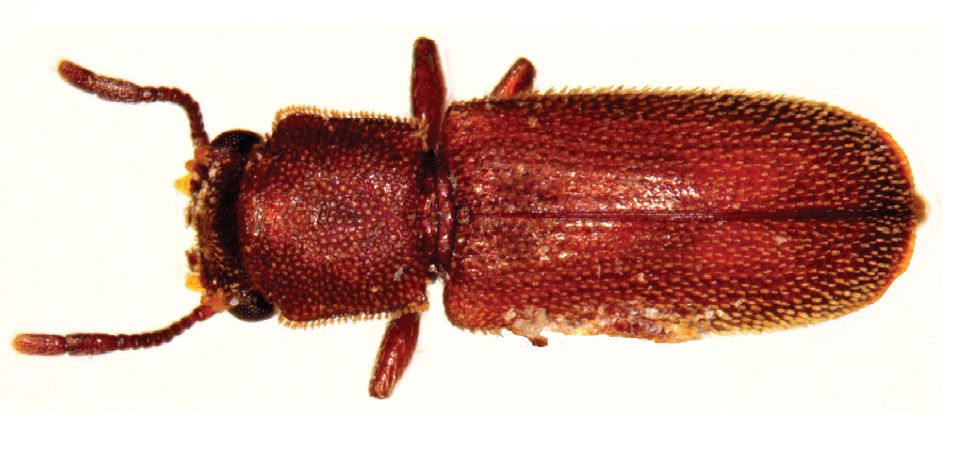
Powderpost Beetles (Lyctidae, Bostrichidae, Anobiidae)
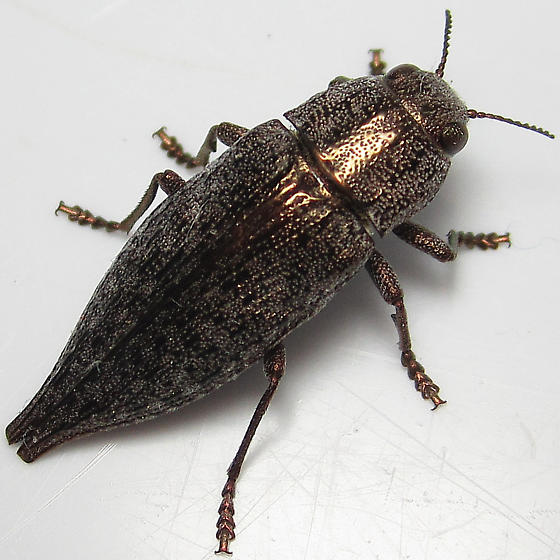
Flatheaded or Metallic Wood Borers (Buprestidae)
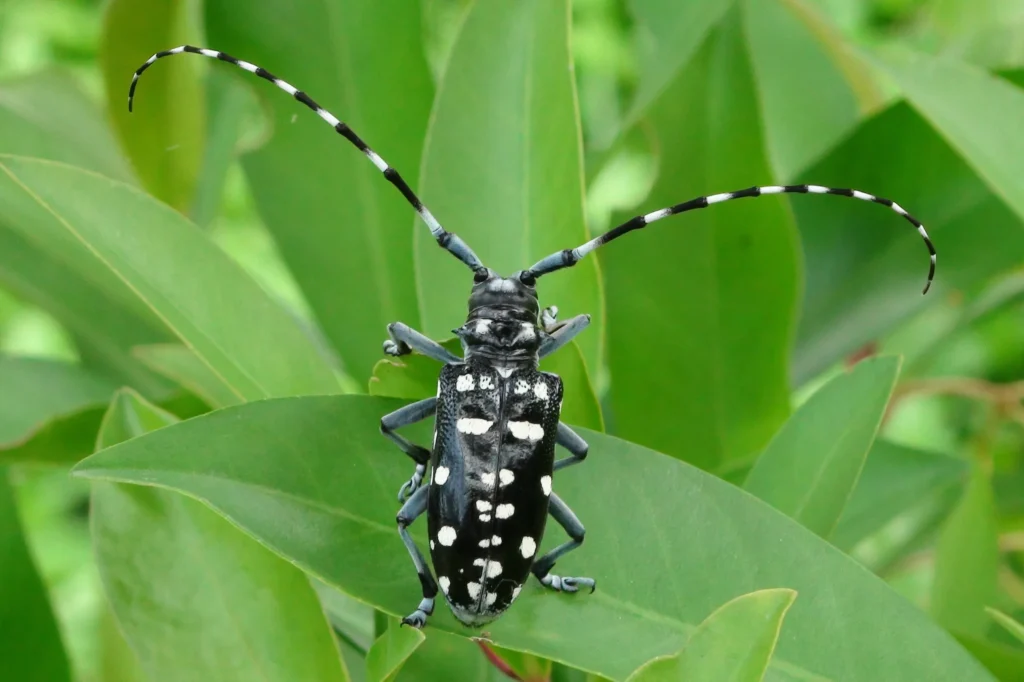
Longhorned Beetles (Cerambycidae)
By the time you see the holes, the damage has been happening for years.
Wood borer larvae live and feed inside the wood for anywhere from one year to over a decade, depending on the species. The small round holes you see are the exit holes made by adult beetles emerging — meaning the damage inside is already extensive by the time it becomes visible.
Unlike surface pests, wood borer damage is cumulative and structural. Left untreated, infestations weaken furniture, floorboards, ceiling beams, and load-bearing timber. Costly repairs — and in serious cases, replacement of structural elements — become the only option.
Similar damage, very different pests.
Malaysian homeowners often confuse the two — but treatment approaches differ significantly. Here’s how to tell them apart.
Four warning signs every Malaysian homeowner should check.
A quick inspection of your wooden furniture, beams, and floorboards this weekend could save you thousands in future repairs.
Small round holes
Look for pinhole-sized to pencil-sized holes in wooden furniture, beams, floorboards, and skirting. Different hole sizes indicate different beetle species.
Sawdust piles
Fine powder or coarse pellets accumulating under wooden furniture, on shelves, or along skirting boards. Fresh piles = live activity happening now.
Weakened wood
Tap wooden beams, chair legs, or table tops with a knuckle. Hollow-sounding or crumbly wood indicates internal damage. Flaking surfaces are another red flag.
Live beetles
Small beetles emerging from wood — especially in warm weather or when interior lights are on at night. Try to safely photograph or collect one for identification.
Malaysia’s longest-serving wood damage specialist.
How we handle wood-destroying pests in Malaysia.
Whether it’s wood borers, termites, or both — inspection determines the exact treatment. Every job starts with a free on-site inspection — no obligation, no pressure.
Wood Damage Inspection
Our specialists visit your premise, identify whether it’s wood borers, termites, or both, assess damage extent, and give you an honest treatment plan with clear pricing.
Termite Baiting Treatment
If inspection reveals termites (often confused with wood borers), bait stations eliminate the entire colony — stopping the damage at its source.
Barrier / Drilling Treatment
Chemical treatment around foundations creating a barrier wood-destroying pests cannot cross. Effective for buildings with active infestations or high risk exposure.
Preconstruction Soil Treatment
New build or major renovation? Treat the soil before pouring concrete. The most cost-effective long-term defence against termites and wood-destroying pests.
Free inspection first. Honest assessment second.
WhatsApp us photos of what you saw — the holes, sawdust piles, damaged furniture, or any beetles you’ve spotted. Our specialists will confirm whether it’s wood borers, termites, or both, and if treatment is needed, provide a written quotation within 24 hours of the on-site visit.
More about wood-destroying pests.
Related guides that help you understand and address wood damage in Malaysian homes and premises.
 English
  简体中文
简体中文  Bahasa Melayu
  日本語
日本語  한국어
한국어  العربية