マレーシア、クアラルンプール

help@msianpestcontrol.com

虫と害虫  ›  About Bees, Hornets & Wasps
虫と害虫百科事典

Bees, hornets, wasps — three insects, very different problems.

They look similar, all sting, and people often confuse them — but biologically they’re different, and they require different handling. Bees are essential pollinators that should generally be preserved. Hornets and wasps are useful predators of pest insects, but their aggressive nest defence and repeat-sting capability make them genuine hazards around homes and premises.

Bees · Preserve Hornets · Remove Wasps · Remove
The Critical Biology Difference

Bees sting once. Wasps and hornets sting again.

This single biological difference shapes everything about how each species behaves — and how seriously you should treat a sting encounter.

ミツバチ

Sting once, then die.

Honeybees have barbed stingers that lodge into skin. When a bee stings and pulls away, the stinger tears from its abdomen — and the bee dies shortly after. This makes bees biologically committed to non-aggression: stinging is suicidal, so they only do it as a last resort.

What this means in practice: bees rarely sting unless directly threatened or their hive is attacked. Calm, slow movement near bees is usually safe.
Hornets & Wasps

Sting repeatedly.

Hornet and wasp stingers are smooth, not barbed. They can withdraw cleanly and sting again and again. Combined with their more aggressive nest-defence behaviour, this makes encounters significantly more dangerous — one wasp can deliver multiple stings to multiple people in a single encounter.

What this means in practice: avoid the nest area entirely. A disturbed wasp or hornet nest can produce an aggressive group response.
The Three Species

How to tell them apart.

Correct identification matters — because each species needs different handling. Bees usually require preservation; hornets and wasps usually require professional removal.

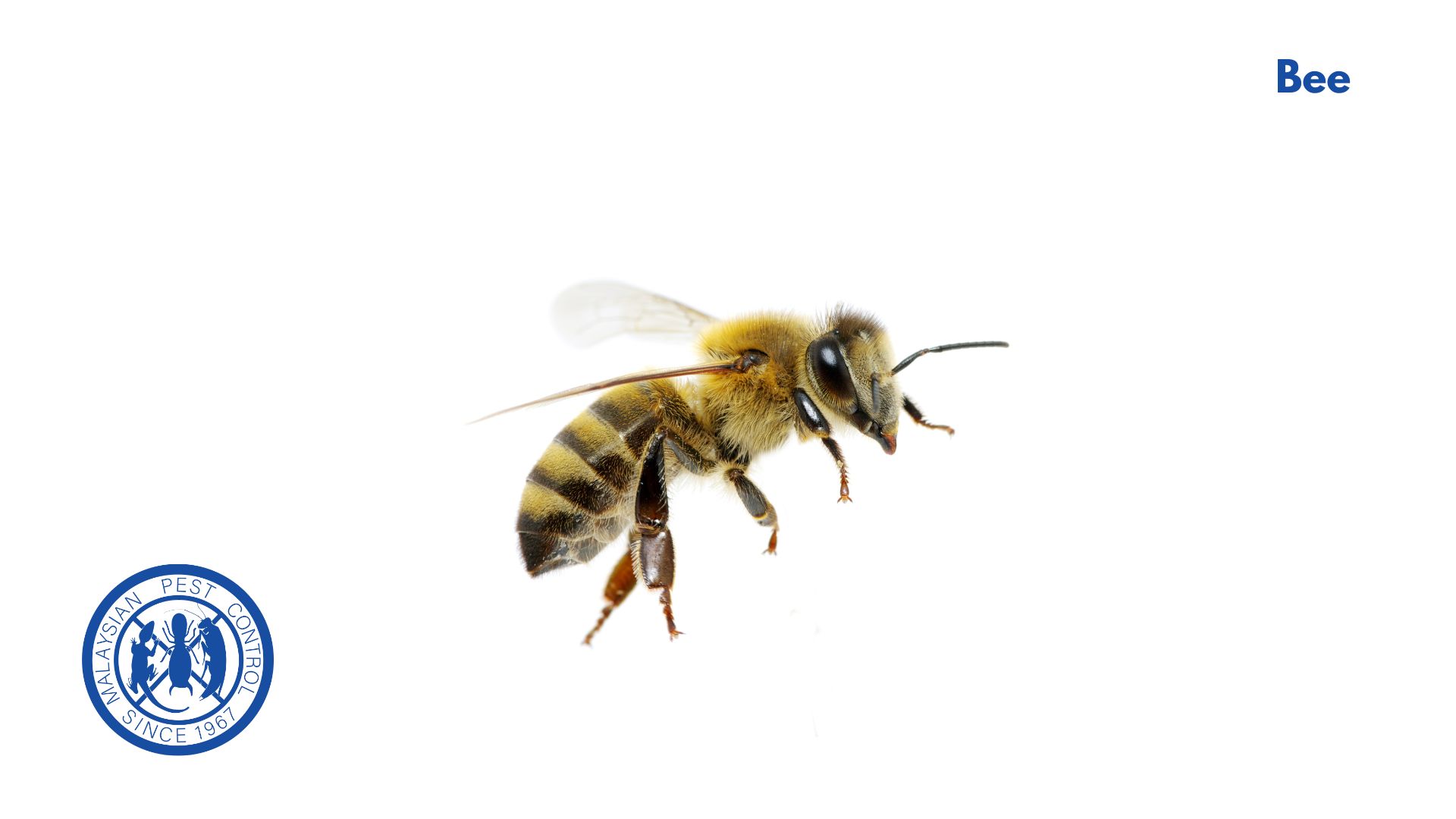
BEE Bee close-up — pollinator with robust hairy body, key player in agriculture and ecosystems
Family Apidae
Body
Robust, hairy — built for collecting pollen
Diet
Vegetarian — nectar and pollen
Behaviour
Generally non-aggressive; stings only in self-defence
生息地
Social colonies (honeybees, bumblebees) or solitary (carpenter bees)
Role
Essential pollinator — supports global food production
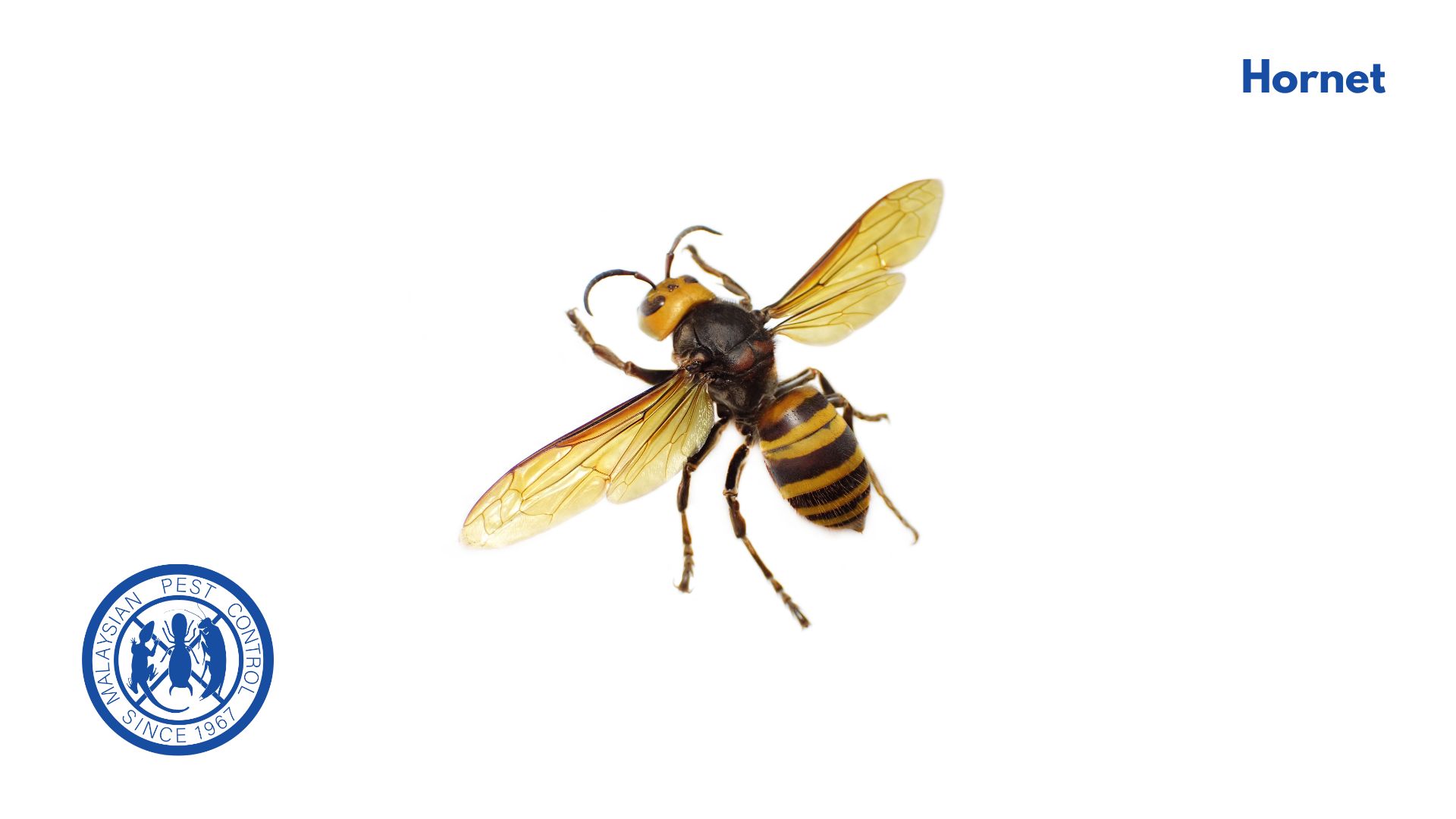
HORNET Hornet close-up — Family Vespidae, larger than most wasps, builds large paper nests
Family Vespidae
ホーネット
Body
Larger than most wasps; robust build; white & black coloration (varies)
Diet
Other insects (including bees), plant materials, sweets
Behaviour
Aggressive defence of nests; sting repeatedly
生息地
Large paper nests in trees, shrubs, or attached to buildings
Role
Controls pest insect populations; can harm bee colonies
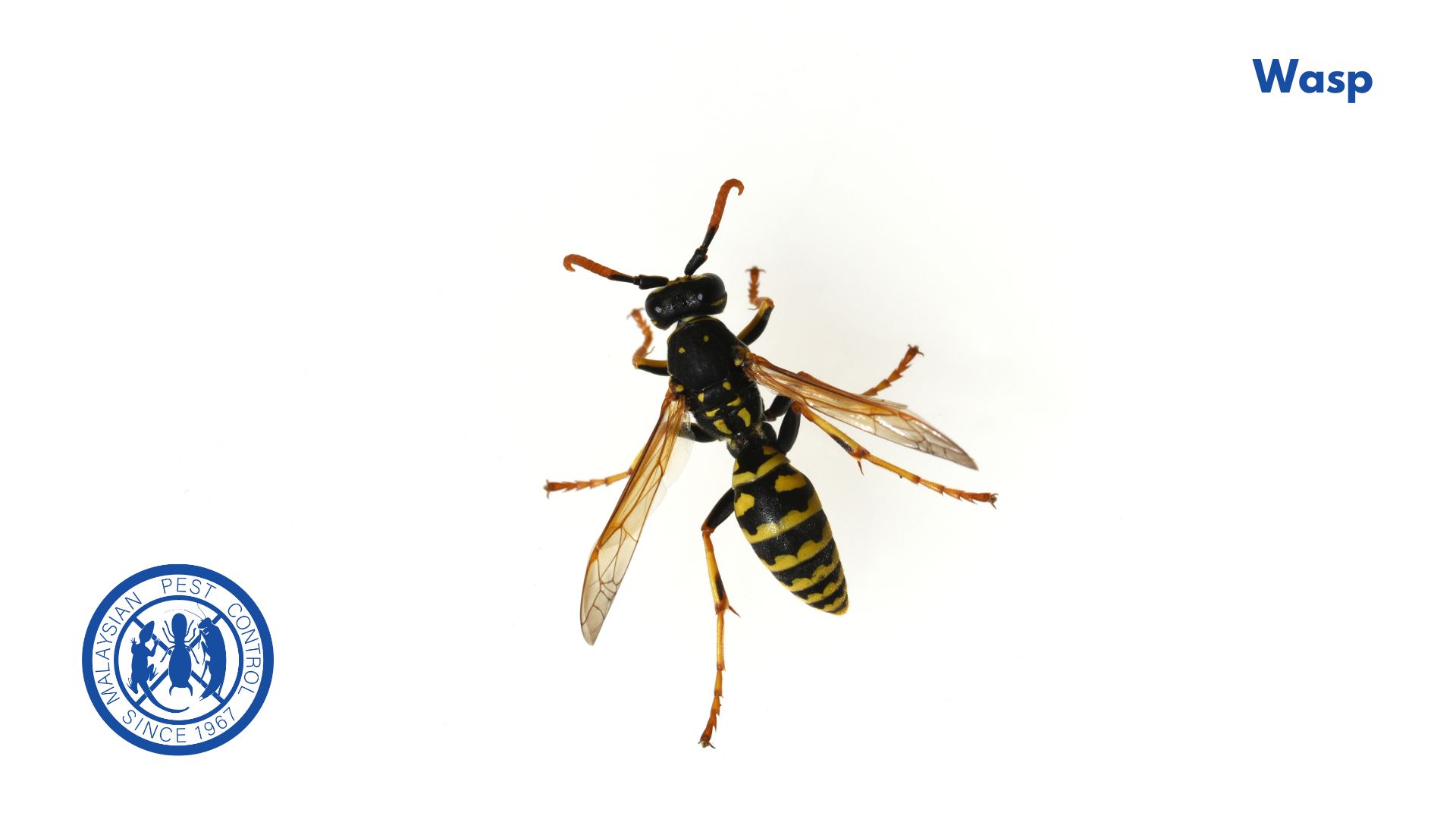
WASP Wasp close-up — slender body, narrow waist, less hair, can sting repeatedly
Family Vespidae & others
スズメバチ
Body
Slender, narrow waist, less hairy; yellow/black, metallic blue, or green
Diet
Omnivorous — other insects and nectar
Behaviour
More aggressive than bees; sting repeatedly when threatened
生息地
Social nests (paper-like) or solitary (ground, cavities)
Role
Important predators of pest insects; natural pest control
Our Position on Bees

Bees should usually be preserved, not exterminated.

Bees are essential pollinators, supporting global food production and ecosystem health. Their declining populations have led to insecticide bans in many countries specifically because of the risk to bee colonies. Killing a bee colony in your premise is, in most cases, the wrong response.

Whenever possible, the right approach is safe relocation by a beekeeper — not extermination. If we’re called for a bee situation, we’ll help you assess whether the bees are settled residents, temporary visitors after a hive split, or genuinely problematic.

  • Beekeeper relocation The right answer for most settled bee colonies in residential or business premises.
  • Temporary swarms After a hive split, bees may cluster outside briefly. Often they move on within hours or days.
  • Only as last resort Extermination considered only when bees pose immediate safety risk and relocation isn’t possible.
Side-by-Side Comparison

Three species, 一目でわかる。.

Quick visual reference for identifying which insect you’re dealing with — and how each compares across diet, aggression, and appearance.


ミツバチ
ホーネット
ホーネッツ
スズメバチ
スズメバチ
Family Apidae Vespidae Vespidae & others
Diet Pollen & nectar (vegetarian) Insects, plant materials, sweets Omnivorous (insects + nectar)
Aggression Low — only in self-defence High — aggressive nest defence Medium-high — more than bees
Sting Once, then dies (barbed) Repeatedly (smooth) Repeatedly (smooth)
外観 Hairy, robust, rounded Large, robust; often white & black Slender, narrow waist, less hair
Role Pollinator — essential Pest insect predator Pest insect predator
Best response Preserve / relocate Professional removal Professional removal
Safety Guidance

If you’ve found a nest near your home.

Whether it’s bees, hornets, or wasps — here’s how to handle the situation safely before professional help arrives.

Do

Stay safe and assess.

  • Keep distance. Maintain at least 5–10 metres from the nest, especially during peak daytime activity.
  • Identify the species if possible — bees vs hornets vs wasps determines the right response.
  • Restrict access to the area for children, pets, and elderly family members until the situation is resolved.
  • Note nest location and size — useful info for professionals when you call.
  • Call a professional for hornet/wasp nests, or a beekeeper for honeybee colonies.
Don’t

Things that make it worse.

  • Don’t spray a nest with insecticide — this provokes the colony and can trigger mass attack.
  • Don’t attempt removal yourself — especially at heights or for established colonies.
  • Don’t swat at flying individuals — quick movement attracts aggression. Walk calmly away.
  • Don’t disturb at night — even though they’re less active, full colony is present and can swarm.
  • Don’t ignore an allergy. If anyone in the home has a sting allergy, treat the situation as urgent.
害虫問題でお困りですか?

Bees, hornets, or wasps near your premise — we’ll handle it properly.

For hornet and wasp nests, our team handles safe professional removal with proper protective equipment and methods. For honeybee colonies, we’ll help connect you with beekeepers for relocation wherever possible — extermination is the last resort, not the first. Send us a photo of what you’re seeing, and we’ll advise on the right approach.

続きを読む

弊社のその他の記事 害虫百科事典。.

Other stinging or biting insects you may encounter alongside bees, hornets, and wasps.

ja日本語