

貯蔵食品害虫: 小さなバグが、莫大な損失をもたらす。.
貯蔵食品害虫 — 専門的には SPI これらは、貯蔵食品、穀物、小麦粉、乾燥食品、包装食品に寄生し、被害を与える甲虫、ゾウムシ、蛾、ダニなどのグループです。家庭では食品庫の食品を台無しにし、商業的な食品製造業では、監査不合格、製品回収、そして多大な経済的損失を引き起こします。.
標的とする害虫 保管、包装、乾燥食品。.
SPIとは 1種も ―これらは機能的なカテゴリーです。甲虫、ゾウムシ、蛾、ダニなどは、穀物、小麦粉、米、シリアル、ナッツ、ドライフルーツ、ペットフード、香辛料、チョコレート、さらには段ボール包装といった乾燥した製品の中で生活し、それらを食べるように進化してきました。.
それらは2つの方法で損害を与えます。 直接消費 (製品を食べる)そして 汚染 (糞、糸、体の一部、脱皮殻、そしてそれらが残す臭いや味によって、製品が食用に適さなくなる。).
何ですか おそらくあなたの店にあるでしょう。.
異なる種類の害虫は、それぞれ異なる製品を標的とします。どの害虫(SPI)を扱っているのかを特定することで、影響を受ける製品と適切な防除方法を判断するのに役立ちます。.
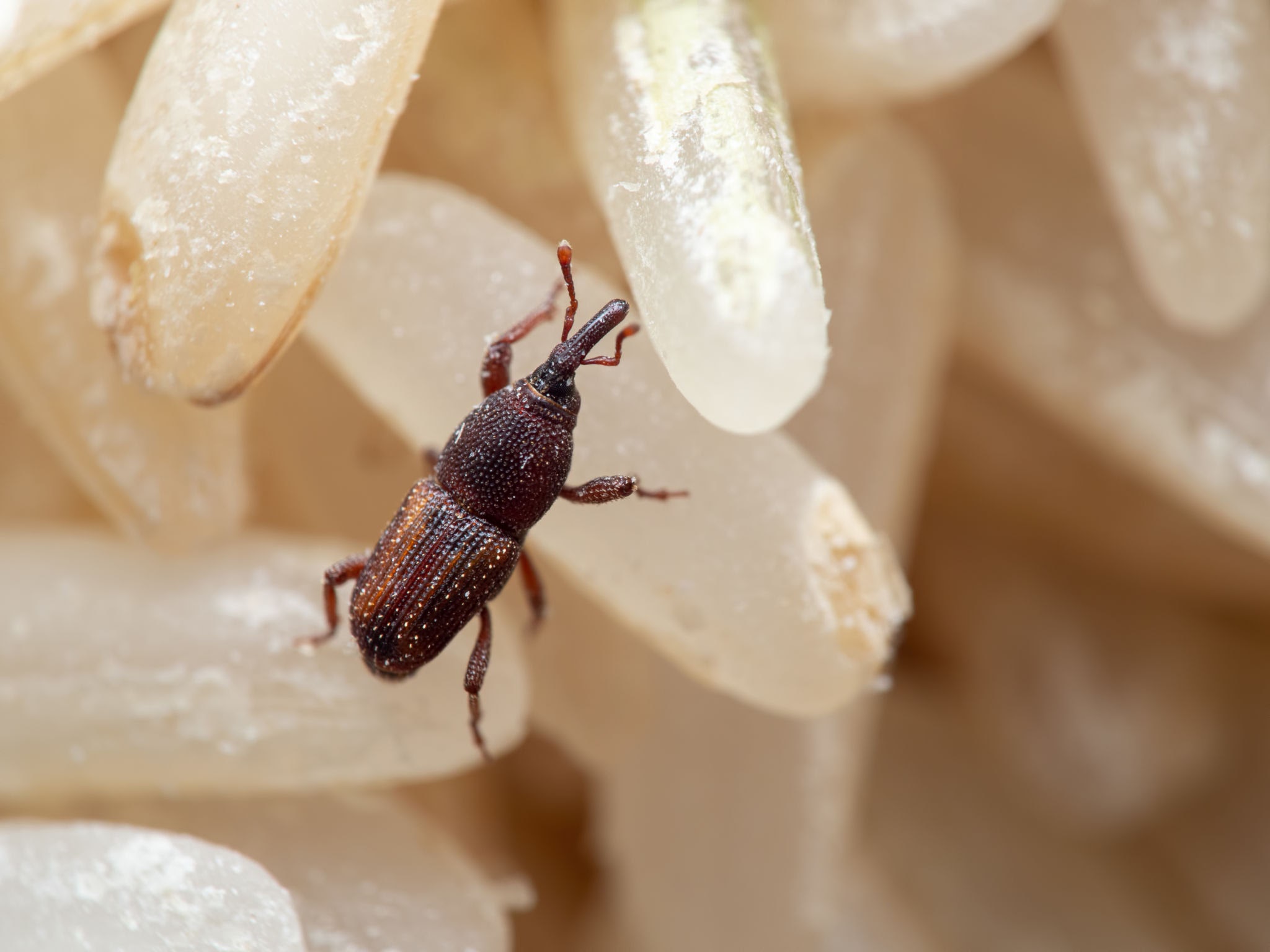
穀物ゾウムシに似ているが 飛ぶことができる ―それによって菌がさらに拡散し、より多様な貯蔵食品に感染する可能性がある。マレーシアの精米所や穀物貯蔵施設では大きな懸念事項となっている。.
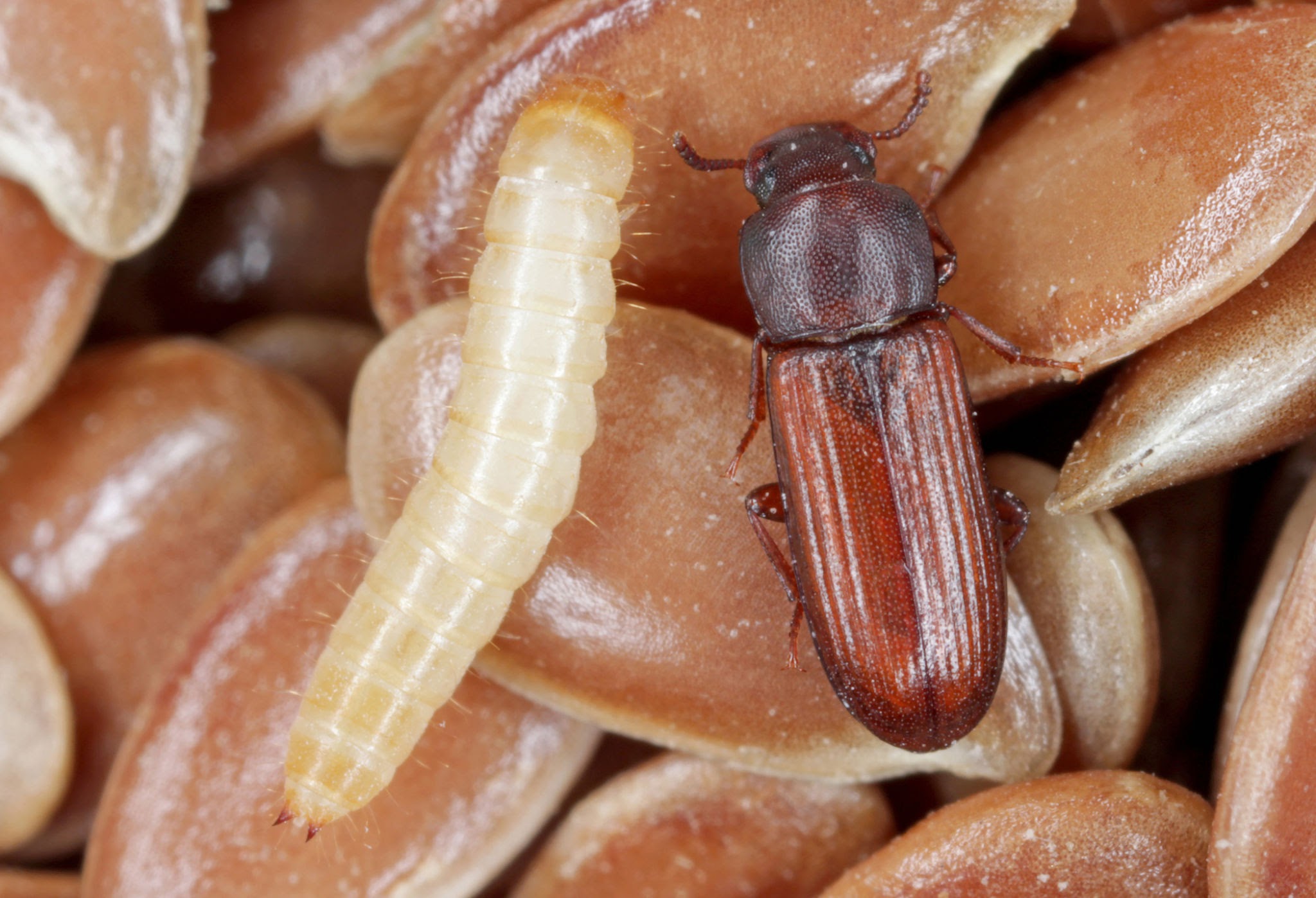
赤くて混乱したコクゾウムシ。 砕けた粒と小麦粉の粉塵, しかし、それらの排泄物や脱皮殻は、傷のない穀物全体を汚染してしまう。.
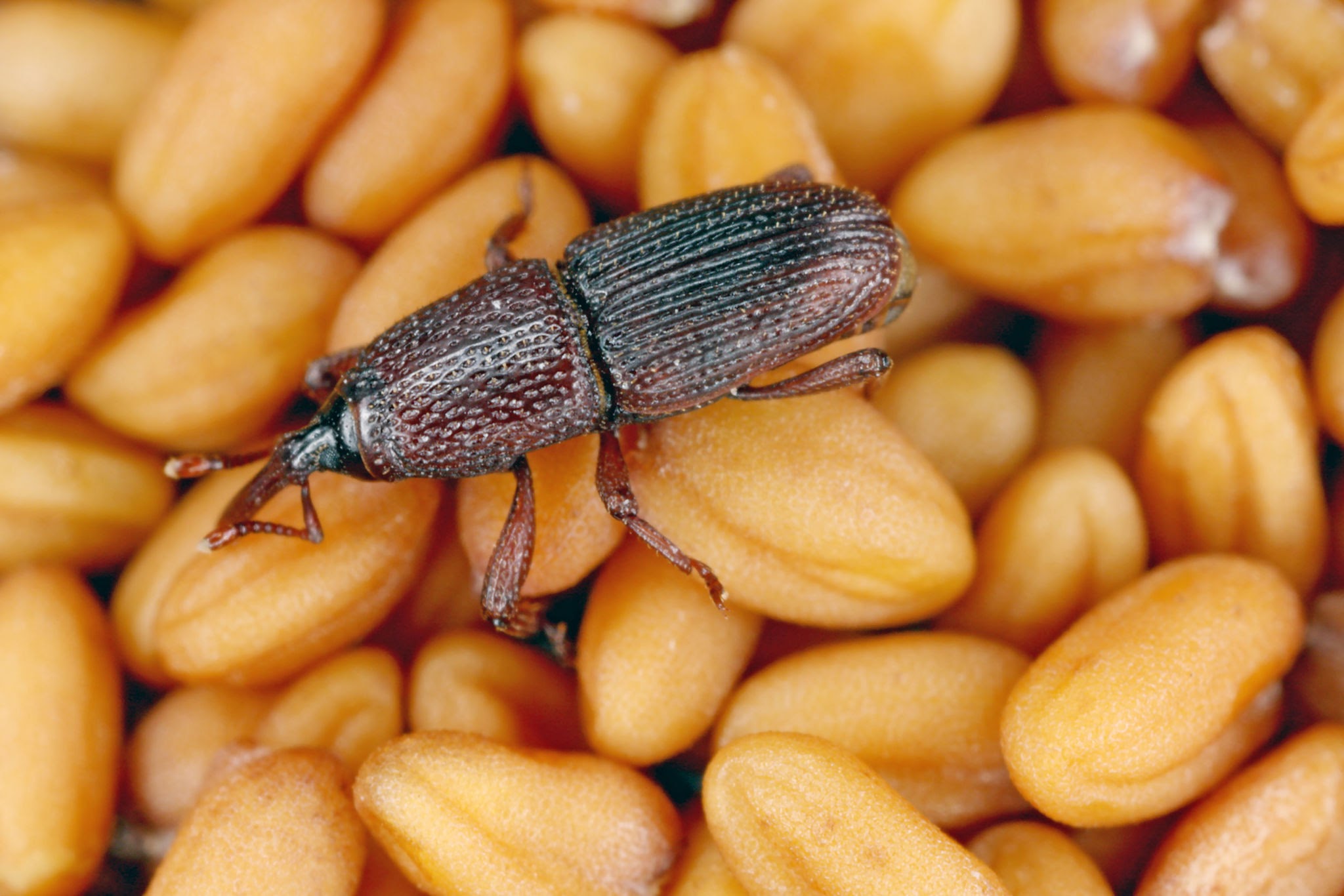
女性 穀物の粒に穴を開ける そして中に卵を産み付ける。幼虫は穀粒の中で成長し、内側から穀粒を食い尽くし、内側から破壊していく。.
幼虫が寄生する 穀物、ナッツ、チョコレート、キャンディー. それらは回転する 絹の網 感染した製品では、目に見える塊や腐敗を引き起こします。これは多くの場合、感染の最初の兆候です。.
悪名高い能力で しっかりと密封されたパッケージに入れる. 平らな本体と鋸歯状の縁のおかげで、他の虫では通り抜けられない包装の継ぎ目をすり抜けることができる。.
主に害虫 貯蔵トウモロコシ, 幼虫は穀粒を食害する。他の穀物や種子にも寄生することがある。成虫は小型で淡い色をしており、特徴的な尖った翅を持つ。.
SPI感染の原因 あっという間にエスカレートする。.
SPIの種類によって行動は異なるが、ほぼすべての種に共通する3つの生物学的特徴があり、これらが合わさって、小さな問題が数週間で大きな問題に発展する理由を説明している。.
高い繁殖率
メスは通常産卵する 数百個の卵 生涯を通じて。成長が速いことと相まって、好条件の下では個体数が急速に増加する。.
短寿命
完全変態(卵→幼虫→蛹→成虫)は完了する 1ヶ月以内に 最適な条件下では、年間複数世代、場合によっては四半期ごとに複数世代が生まれる。.
乾燥状態への耐性
SPIとは 低湿度環境向けに設計されています. 多くの種は、水分含有量が非常に低い環境、つまり穀物倉庫や乾燥倉庫のような環境でも生存し、繁殖することができる。.
SPI汚染は 事業継続を危うくするリスク。.
食品メーカー、飲食事業者、倉庫業者、小売業者にとって、たった1件のSPI(食品衛生上の問題)発生が、監査不合格、規制措置、そして修復に何年もかかる評判の失墜へと連鎖的に発展する可能性がある。.
監査失敗
HACCP、ISO、およびサプライヤー監査では、SPI(スパイラル・インクルージョン)の証拠を明確にチェックします。生きた昆虫が1匹でも見つかった場合、あるいは活動の痕跡が見つかった場合、監査に不合格となり、是正措置が求められる可能性があります。.
製品リコール
消費者の目に触れる製品に虫、クモの巣、糞などが混入している場合、通常は全ロットのリコールを余儀なくされる。その費用は数十万ドルに上る。.
顧客喪失
小売業者や下流の購買担当者は、一貫したSPI管理を実証できないサプライヤーとの取引を打ち切る。たった一度の不手際が、長年築き上げてきた関係を台無しにする可能性がある。.
SPI制御の場合 最も重要なことです。.
一部の業務は、毎日SPIリスクに直面しています。これらの業務を運営している場合、継続的なSPI管理は選択肢ではなく、業務の中核となる要件です。.
精米所および穀物加工業者
穀物ゾウムシ、コクゾウムシ、アンゴモアガは、貯蔵穀物を標的とする。これらの害虫の存在は、収量だけでなく、下流の顧客との関係にも悪影響を及ぼす。.
パン屋と製粉業者
コクゾウムシは小麦粉や穀物の残渣の中で繁殖します。棚の下や機械の継ぎ目など、わずかな量の残渣でも大量発生する可能性があります。.
飲食事業者
レストラン、カフェ、ホテル、セントラルキッチンなど、乾燥食材が保管されている場所ならどこでも、SPI(乾燥食品汚染物質)が発見されると、直ちに保健所に通報される。.
倉庫および配送
乾燥食品、段ボール包装、ペットフードなど、多様な製品を扱う物流センターは、交差汚染のリスクに直面する。.
スーパーマーケットと小売店
小麦粉、米、シリアル、ペットフードなどが並ぶ、顧客が直接接する通路。たった一つの目に見える出来事が、苦情やソーシャルメディアでの拡散につながる。.
家庭・家庭用パントリー
家庭用SPI(製品情報パッケージ)の問題のほとんどは、該当製品を廃棄することで解決できます。しかし、問題が継続したり再発したりする場合は、専門家の対応が必要になる場合があります。.
SPI の方法 実際には制御されている。.
効果的なSPI管理は、家庭環境と商業環境では大きく異なります。それぞれの状況で求められることを以下に説明します。.
マレーシア人向け 世帯。.
家庭内でのSPI(空間的ストレス)の問題は通常、局所的なものであり、専門家による治療なしで対処可能です。.
- 対象製品は廃棄してください。 すぐに――取り戻そうとしないで
- 隣接するアイテムを検査する 同じパントリーゾーン内
- 棚を徹底的に掃除する 熱い石鹸水で
- 乾物は密閉容器に入れて保管してください。 今後
- 新しい食料品をチェックする パントリーに入る前に
マレーシア人向け ビジネス。.
商業的なSPI管理には、単発的な対応ではなく、体系的で継続的なプロトコルが必要です。.
- 定期的な監視と検査 記録付き
- 温度と湿度の制御 繁殖を遅らせる
- 物理的な障壁と封鎖 保管製品ゾーン
- 燻蒸または制御雰囲気 適切な場合
- 昆虫成長調節剤(IGR) 人口抑制のため
- HACCP準拠の文書 監査準備のため
SPIを停止する 彼らが確立する前に。.
予防は常に修復よりも費用がかかりません。住宅と商業施設の両方において、実践的な基本事項は以下の3つの柱に基づいています。.
衛生
SPI(サシガメ)の繁殖を促し、維持する食品残渣は除去してください。保管場所は、手の届きにくい隅、棚の継ぎ目、床の隙間なども含めて定期的に清掃してください。.
ストレージ
穀物、小麦粉、シリアル、乾燥食品は、密閉容器に入れて保管してください。在庫は古いものから順に使い切るようにローテーションしてください。新しく入荷したものは、既存の保管場所に入れる前に隔離してください。.
温度
保管場所を低温に保つことで、SPIの増殖を遅らせることができます。商業施設においては、専用の温度・湿度管理システムを導入することが、多くの場合、最も費用対効果の高い予防策となります。.
運用におけるSPI — 彼らを制御下に置こう。.
一般家庭の場合、SPI(食品汚染物質)の問題は通常、対処可能です。しかし、食品を扱う商業施設では、継続的な専門的なSPI管理は必須です。HACCP(危害分析重要管理点)に準拠した処理、監査対応可能な文書作成、あるいは単に施設の安全性を確保したいなど、お客様のニーズに合わせてサポートいたします。.
弊社のその他の記事 害虫百科事典。.
食品施設や乾物保管庫で懸念されるその他の害虫。.
 日本語
日本語  English
  简体中文
简体中文  Bahasa Melayu
  한국어
한국어  العربية