マレーシア、クアラルンプール

help@msianpestcontrol.com

トコジラミについて  ›  DIY Treatment
DIY Bed Bug Treatment

What works, what doesn’t, and when to call us.

DIY methods absolutely have a role in bed bug management — for prevention, early-stage situations, and supporting professional treatment. But not every popular DIY method actually works. Here’s an honest guide to what’s worth your time, what’s wasting it, and when DIY isn’t enough.

5 methods that work 5 methods that don’t Honest expert guidance 59 years of pest expertise
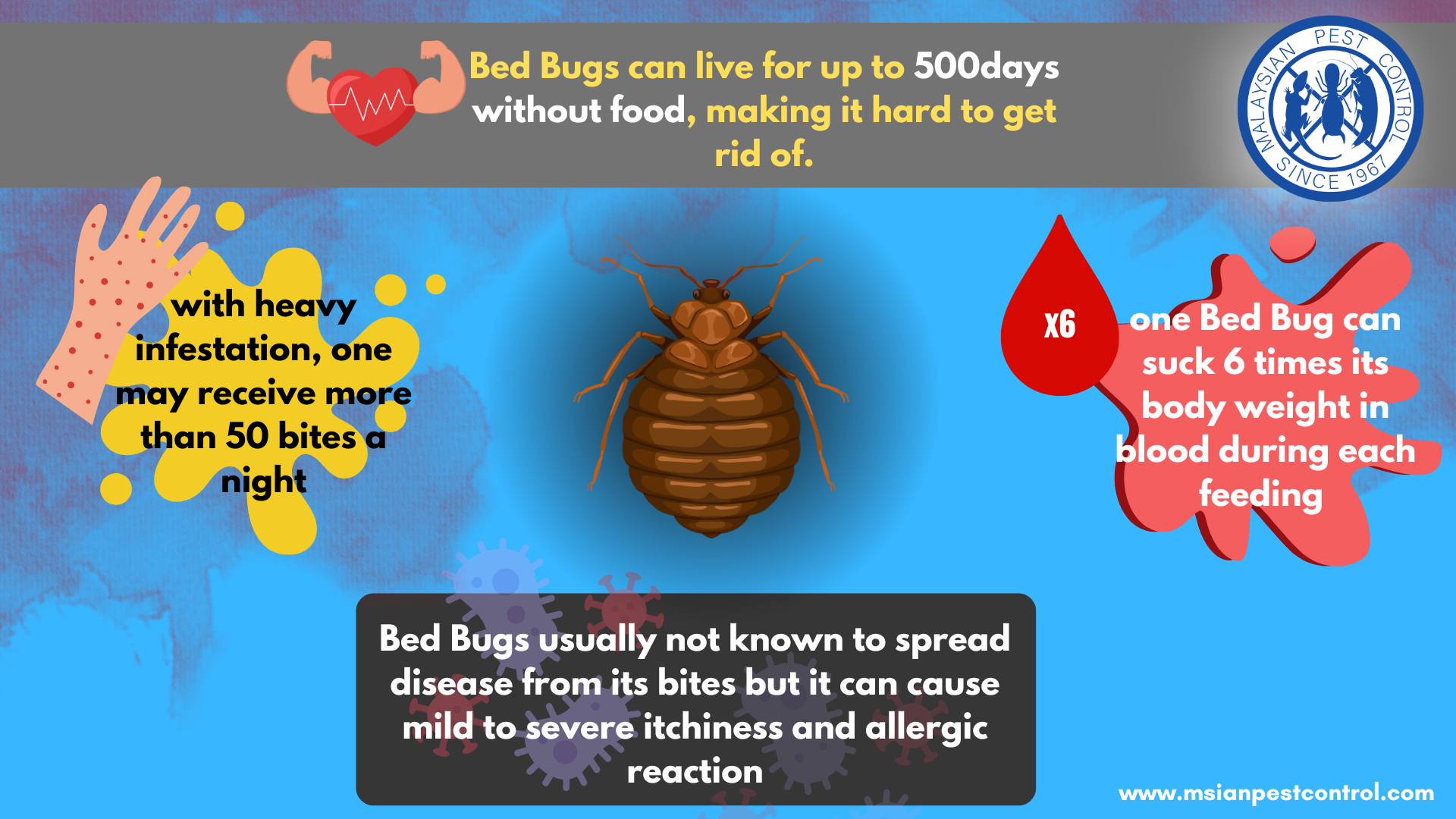
INFOGRAPHIC Bed bug awareness — informational graphic about bed bug prevention and treatment
The Honest Truth

DIY can prevent and manage. It rarely eradicates.

This is the most important thing to understand before you spend weeks attempting DIY bed bug treatment. The methods we recommend below genuinely help — but they have specific scopes of effectiveness.

DIY can do
Prevention & early management

Stop bed bugs entering your home, manage isolated sightings, and support professional treatment.

DIY cannot do
Eradicate established infestations

Kill bed bugs hiding in cracks, behind walls, in furniture seams. Or break the egg-hatching cycle.

Bed bugs are notorious for surviving DIY attempts because they hide in places household sprays can’t reach, lay eggs hidden from view, and have developed resistance to many over-the-counter chemicals. Professional intervention requires several visits — even by experienced specialists like us — because of this very biology.

DIY Methods That Work

Five things worth doing.

These are the DIY methods we genuinely recommend. They prevent infestations, contain early-stage situations, and support any professional treatment that may follow.

Method 01

Mattress encasements

Bed bug-proof zippered covers that trap any existing bed bugs and eggs inside while preventing new ones from entering. One of the most effective DIY tools.

Method 02

Seal entry points

Bed bugs hide in cracks, seams, and crevices. Sealing gaps in walls, baseboards, furniture joins, and skirting boards dramatically limits their hiding spots.

Method 03

Declutter

Bed bugs thrive in cluttered environments. Reducing clutter, especially around sleeping zones, makes hiding harder and inspection easier. Store items in sealed containers.

Method 04

High heat washing

Wash bedding, curtains, and clothing in hot water (60°C+), then tumble dry on the hottest setting. Heat kills bed bugs at all life stages — one of the most effective methods.

Method 05

Vacuum thoroughly

Vacuum mattress seams, bed frames, sofas, and floor edges. Focus on cracks and corners. Empty the contents into a sealed bag and dispose of it outside immediately.

DIY Methods That Don’t Work

Five things you’ll see online — that won’t help.

Plenty of “miracle” bed bug remedies circulate on social media and forums. We hear about these constantly from frustrated customers who tried them. Here’s what to skip — and why.

Skip 01

Bug bombs / foggers

Don’t use them. Bug bombs spread chemical mist through open air — but bed bugs hide in cracks the mist can’t reach. Worse, foggers can scatter bed bugs into wider areas.

Skip 02

Essential oils

Tea tree, lavender, peppermint, eucalyptus — popular online claims, but not effective at killing bed bugs. They may briefly repel adults but do nothing about eggs or hidden colonies.

Skip 03

Baking soda / vinegar

Common social media claim with no scientific evidence of efficacy against bed bugs. They might trap a few that walk through it, but they won’t dent an actual infestation.

Skip 04

Alcohol / rubbing alcohol

Will kill a bed bug on direct contact, but doesn’t penetrate hiding spots and is highly flammable. Not effective for actual infestation control, and creates a fire hazard.

Skip 05

Generic supermarket sprays

Most household insecticide sprays sold for “all insects” are ineffective against pesticide-resistant bed bug strains. You’ll burn through cans without progress.

When DIY Isn’t Enough

The honest thresholds for calling us.

If any of the following applies to you, DIY methods alone are unlikely to resolve the situation. Professional intervention isn’t an admission of failure — it’s the practical next step.

01

You’re still being bitten after 2+ weeks of DIY

If consistent DIY measures haven’t reduced bites within two weeks, the infestation is established beyond what DIY can reach.

02

Bed bugs found in multiple rooms

When the infestation has spread beyond a single room, DIY containment becomes impractical. Multi-room treatment requires coordinated professional approach.

03

You can’t identify hiding spots

If you’re seeing bites but can’t find where bed bugs are hiding, professional inspection finds what untrained eyes miss — including behind walls and inside furniture.

04

The infestation keeps coming back

Repeat reinfestation after DIY treatment usually means eggs are surviving in places you can’t reach. Only a structured 3-visit treatment programme breaks that cycle.

05

Sleep is being seriously affected

If anxiety about bed bugs is disrupting sleep, work, or family life, the cost of waiting is more than just bites. Professional treatment ends the issue faster.

06

You live in a condo or apartment

Bed bugs migrate between adjacent units through walls and floors. Solo DIY in shared buildings rarely solves the problem — neighbours and shared structures matter.

Ready When You Are

Tried DIY? We’ll take it from here.

Many of our customers come to us after weeks of attempting DIY treatment. There’s no judgment — we’d actually rather you tried the simple stuff first. When you’re ready for the structured 3-visit programme that handles the hidden eggs, the resistant strains, and the cracks DIY can’t reach, we’re here.

Continue Reading

More on bed bugs.

Other articles in our bed bug series — covering biology, health impact, and the 3-visit treatment programme.

ja日本語