虫害  ›  About Silverfish
虫害百科全书

Silverfish: silent paper-eaters that outlived the dinosaurs.

蠹鱼(盐肤草) are small, wingless, fish-shaped insects that have been around for over 400 million years — older than dinosaurs, older than flowering plants. In modern homes they’re considered pests because they damage books, photos, wallpaper, and fabric. Their secret weapon: they thrive in exactly the warm humid conditions found across Malaysia.

命令
Zygentoma
成人寿命
2 – 8 years
Disease Risk
None known
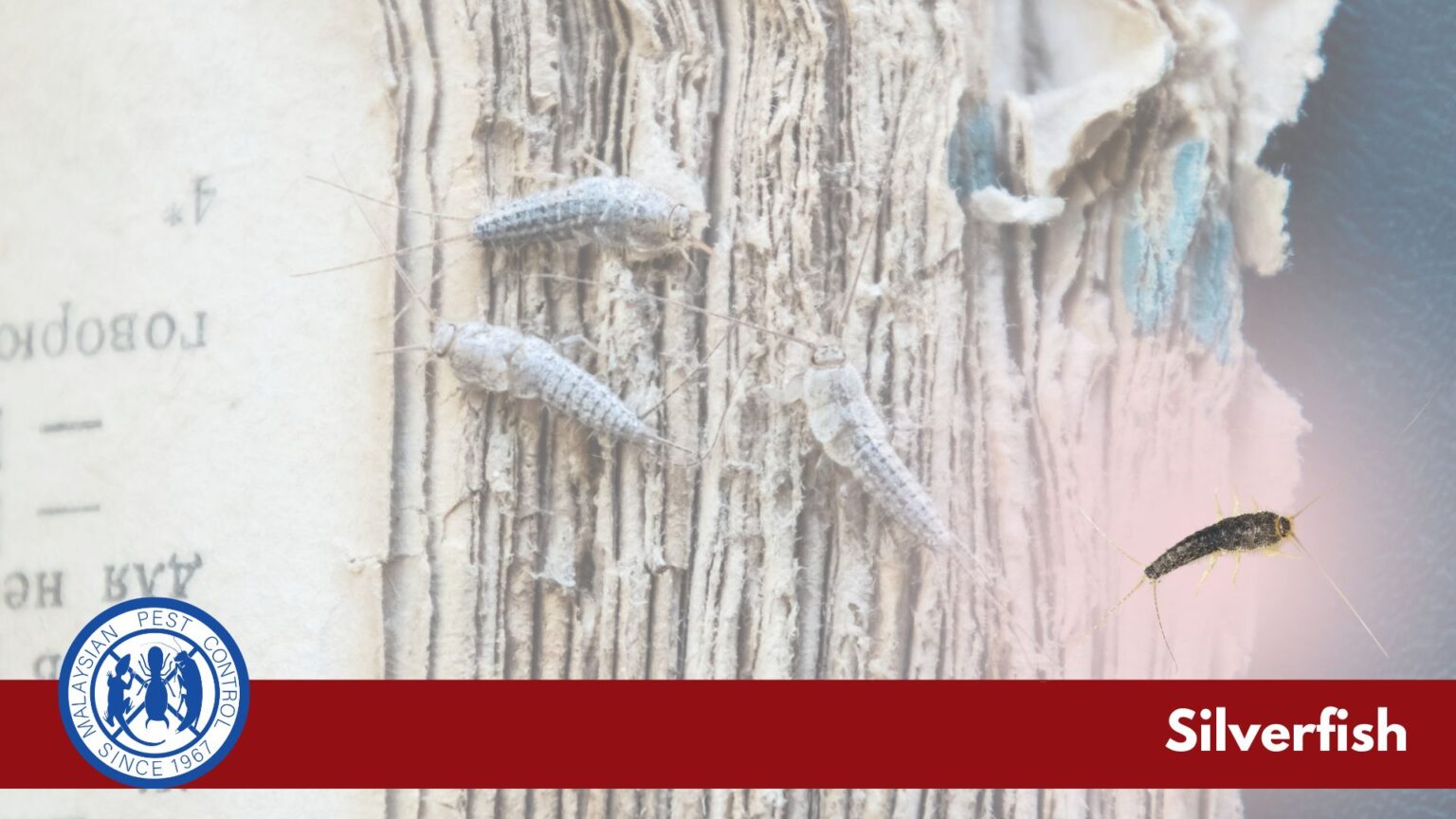
SILVERFISH Silverfish (Lepisma saccharina) close-up — silvery teardrop-shaped insect with three long bristles, common in humid Malaysian homes
400M+ Years
Living Fossils

Silverfish are older than dinosaurs.

Fossil evidence places silverfish ancestors on Earth over 400 million years ago — before flowering plants, before reptiles, long before dinosaurs evolved or went extinct. They are among the most ancient insect lineages still alive today, essentially unchanged for hundreds of millions of years.

Their evolutionary success is in their simplicity: a wingless, low-energy body that can survive long fasts, slow movement that avoids notice, and a dietary range so wide they can eat almost anything organic. They didn’t need to evolve — they got it right the first time.

鉴别

How to spot a silverfish — and what you’ll see.

Silverfish are unmistakable once you know what to look for. Their unique shape and movement give them away — and explain how they got their name.

Physical Description
盐肤草

Teardrop body, silver sheen, three long bristles.

尺寸
12 – 25 mm (0.5 – 1 inch)
颜色
Silvery-gray, metallic sheen
Body shape
Teardrop / fish-like, flat
Distinctive feature
Three long bristles on the rear
Wings
None — silverfish are wingless
Movement
Quick, darting, fish-like wriggling
生物学与生命周期

Three stages, but one is unusually long.

Silverfish go through three life stages — egg, nymph, adult. What makes them remarkable is how long they can live as adults, and how they continue molting throughout their lifetime, which is unique among insects.

第一阶段

20 – 60 days to hatch

Females lay eggs in small crevices and cracks in damp, dark areas. Hatching time varies dramatically with humidity and temperature — warmer humid conditions accelerate development.

第二阶段

若虫

3 months – 3 years to mature

Resemble smaller adults. Go through 17 to 66 molts during development. Climate and food availability determine how quickly maturation completes — in warm humid Malaysian conditions, they mature faster.

第三阶段

成人

Lives 2 – 8 more years

Adults reproduce a few months after maturity. Females lay up to 100 eggs in their lifetime. Continue to molt even after sexual maturity — a trait unique among insects.

Remarkable Biology

Three facts that make silverfish biologically unusual.

For such a small, unassuming insect, silverfish hold some of the most unusual records in entomology. These traits explain why they’re so hard to fully eliminate.

2–8
Years

Adult lifespan

Most household insects live weeks or months. Silverfish adults live years — meaning a single individual you spot today may have been in your home since before your kids started school.

17–66
Molts

Molts per lifetime

While most insects molt a handful of times before adulthood, silverfish keep molting well into adulthood — sometimes dozens of times. This is unique among insects and contributes to their longevity.

100
Eggs

Lifetime egg production

Up to 100 eggs per female over her multi-year life. Slow-and-steady reproduction means populations grow gradually rather than exploding — but persistently, year after year.

Diet & Feeding

What silverfish actually eat.

Their diet centres on carbohydrates — sugars and starches — but the range of household items containing these is broader than most people realise. Some surprises below.

Diet Range

If it contains starch, sugar, or cellulose — they’ll eat it.

Silverfish are best known for damaging books, paper, and photographs because the glues in bindings and paper itself are starch-based. But their full diet extends well beyond paper into everyday household items most people don’t think of as “food”:

Book bindings Paper Glue Wallpaper Photographs Sugar Coffee Flour Hair Dandruff Cotton fabric Silk fabric Cardboard Cereals
Why Malaysia

Tropical humidity is silverfish paradise.

Silverfish thrive at relative humidity above 75% — which describes the average Malaysian home for most of the year. Combined with warm temperatures, dark storage areas, and abundant cellulose-rich materials (paper, cardboard, books), our climate creates near-ideal conditions for silverfish populations to establish and persist quietly for years.

The Bigger Insight

Silverfish are usually a symptom — not the disease.

The real significance of silverfish in your home isn’t usually the damage they cause. It’s what their presence reveals about your environment. Wherever silverfish thrive, other problems may be developing.

01

Excess humidity

Silverfish populations indicate persistent high moisture — often in spots you don’t visually inspect (under sinks, behind cabinets, in basements, attic spaces).

02

Potential mould risk

The same dampness that supports silverfish also supports mould and mildew. Health risks from mould are far greater than from silverfish themselves.

03

Structural concern

Long-term high humidity can cause wood swelling, rusting metal fixtures, peeling paint and wallpaper. Silverfish are an early warning sign.

Prevention & Management

Three pillars to discourage silverfish.

Because silverfish thrive in specific conditions, you can dramatically reduce their numbers by changing the environment rather than trying to chase individuals. These three pillars address the root cause.

01

Humidity control

Dehumidifiers in basements, attics, and bathrooms. Improve ventilation in storage areas. Fix leaks promptly. Keep relative humidity below 60% where possible — the single most effective measure.

02

Sanitation

Vacuum regularly, especially in storage zones. Remove food sources — sugar spills, flour residue, crumbs. Store paper goods (books, archives, photos) in dry, sealed containers.

03

Exclusion

Seal cracks and crevices in walls, around skirting boards, and around utility line entry points. Silverfish move through tiny gaps to find new harbourage.

遇到虫害问题了吗?

Silverfish in your home — let’s find the moisture source.

Honest take: a few silverfish don’t usually need a pest control visit — just improve humidity and sanitation. But if you’re seeing them persistently, in multiple rooms, or alongside other moisture-related issues (musty smell, peeling paint, condensation), that’s worth a professional inspection. We’ll identify the harbourage, address related humidity concerns, and apply targeted treatment where it’s actually needed.

继续阅读

更多精彩内容尽在我们的 害虫百科全书。.

Other pests of concern in Malaysian homes — particularly those that share silverfish’s preference for damp environments.

zh_CN简体中文