

Anai-anai: pemusnah senyap, masyarakat yang kompleks.
Sering disalah anggap sebagai semut, anai-anai sebenarnya lebih berkait rapat dengan lipas. Ia merupakan pengurai utama alam semula jadi — dan serangga perosak manusia yang paling mahal. Di sebalik setiap gundukan anai-anai terdapat koloni dengan seorang ratu, generasi pekerja, dan helah evolusi yang kebanyakan haiwan tidak dapat lakukan: mencerna kayu.
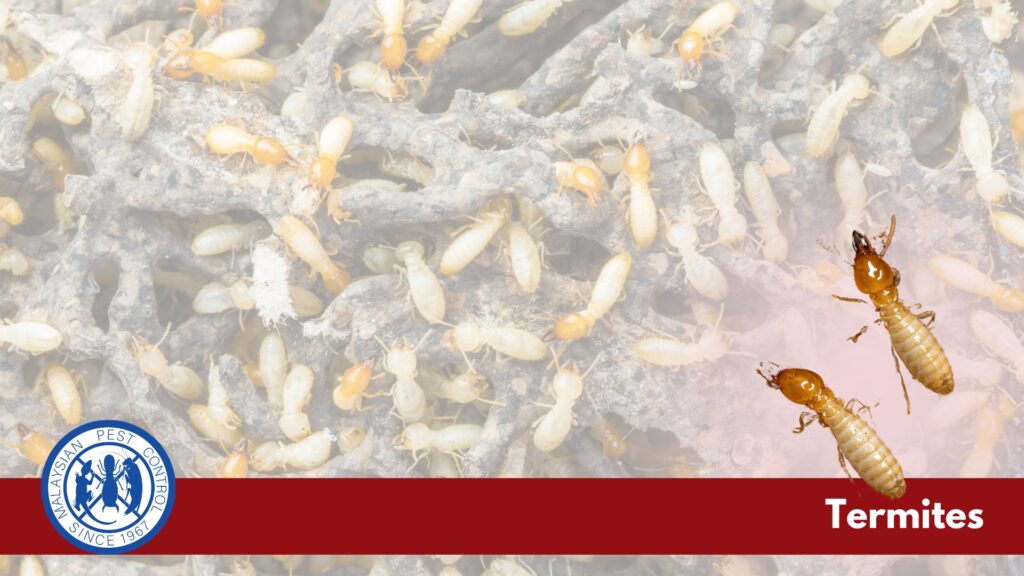
Bukan "semut putih".“ Lebih dekat dengan lipas.
Anai-anai sering digelar "semut putih" — tetapi secara biologi, ia bukanlah seumpamanya. Entomologi moden mengklasifikasikan anai-anai dalam ordo lipas (Blattodea). Persamaan visual dengan semut adalah evolusi konvergen; salasilah keluarga genetik menceritakan kisah yang berbeza.
Daripada ~2,600 spesies anai-anai di seluruh dunia, hanya sebilangan kecil yang menjadi perosak kepada manusia. Selebihnya memainkan peranan ekologi yang penting — menguraikan kayu mati, mengitar semula nutrien dan menyokong ekosistem hutan. Walau bagaimanapun, beberapa spesies yang menyasarkan rumah kita menyebabkan kerosakan yang besar.
Tiga peringkat perkembangan anai-anai.
Anai-anai melalui tiga peringkat berbeza dalam perjalanan mereka ke peranan dewasa — dan ratu anai-anai boleh terus menghasilkan telur selama beberapa dekad.
Telur
Menetas dalam beberapa mingguRatu anai-anai bertelur secara berterusan, dijaga oleh anai-anai pekerja. Bilangan telurnya sangat berbeza-beza — dari ratusan hingga ribuan setiap hari bergantung pada spesies dan saiz koloni.
Larva
Berbulan-bulan hingga setahun+Larva mengalami beberapa kali kulit berganti kulit dan berkembang menjadi salah satu daripada tiga kasta — pekerja, askar atau reproduktif — bergantung pada keperluan koloni dan isyarat persekitaran.
Dewasa
Pekerja/askar 1–2 tahun · Dekad RatuAnai-anai dewasa memainkan peranan tetap dalam koloni. Walaupun pekerja dan askar hidup 1–2 tahun, ratu anai-anai di bawah keadaan optimum boleh hidup selama beberapa dekad — bertelur secara berterusan sepanjang masa.
Tiga peranan, satu koloni.
Masyarakat anai-anai sangat khusus. Setiap ahli dilahirkan dengan peranan dan mengembangkan badan serta tingkah laku yang sesuai untuk tujuan tersebut — pekerja, askar atau reproduktif.
Pekerja
Tenaga buruh koloni — membentuk majoriti dalam mana-mana masyarakat anai-anai. Pekerja memberi makan kepada semua ahli lain, menyelenggara sarang, menjaga telur dan melakukan aktiviti memakan kayu yang anda anggap sebagai kerosakan.
askar
Pembela koloni — bersenjatakan rahang bawah yang besar untuk melawan pencerobohan semut dan ancaman lain. Walaupun mempunyai senjata, askar tidak dapat mencari makan sendiri dan bergantung sepenuhnya kepada pekerja.
Pembiakan (Alates)
Anai-anai bersayap yang meninggalkan koloni semasa musim berkerumun untuk mengawan dan memulakan koloni baharu. Selepas mengawan, mereka melepaskan sayap mereka dan menjadi raja dan permaisuri generasi baharu.
Bagaimana anai-anai sebenarnya mencerna kayu.
Kayu kebanyakannya terdiri daripada selulosa — gentian tumbuhan yang keras yang hampir tiada haiwan boleh menguraikannya sendiri. Anai-anai hanya boleh mencernanya kerana perkongsian evolusi yang luar biasa.
Di dalam setiap usus anai-anai hidup protozoa dan bakteria simbiotik yang menghasilkan enzim yang mampu memecahkan selulosa menjadi nutrien. Anai-anai menjadi hos kepada mikrob; mikrob melakukan kimia. Tanpa simbion usus ini, anai-anai akan kelaparan di hadapan seluruh hutan.
Ia juga mengapa anai-anai muda mesti diberi makan oleh rakan sarang yang lebih tua — mereka perlu mewarisi mikrob usus melalui trofalaksis (pemberian makanan dari mulut ke mulut) sebelum mereka boleh mencerna kayu itu sendiri.
Enam spesies anai-anai terdapat di rantau kita.
Spesies anai-anai yang berbeza bertindak secara berbeza — ada yang hidup di bawah tanah, ada yang hidup di dalam kayu, ada pula yang membina struktur atas tanah yang rumit. Mengenal pasti spesies adalah langkah pertama untuk rawatan yang berkesan.
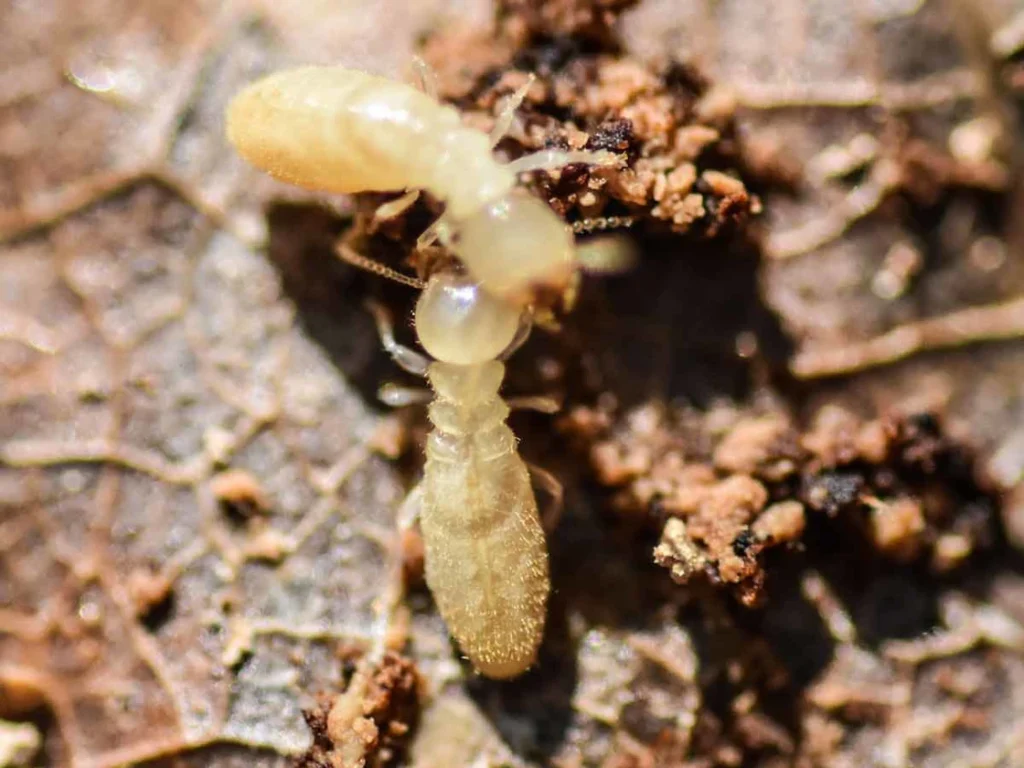
Membina koloni di bawah tanah. Spesies paling merosakkan ekonomi di Malaysia. Sangat bergantung pada kelembapan tanah.
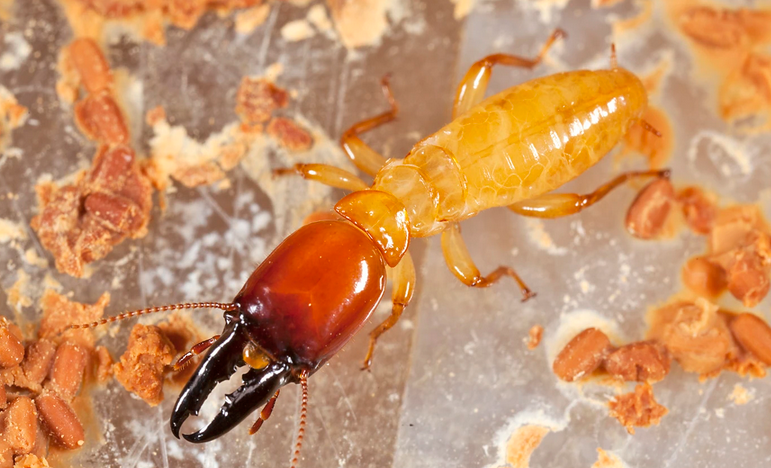
Anai-anai yang lebih besar yang menyasarkan kayu dengan kandungan lembapan yang tinggi — kayu reput, struktur yang rosak akibat air, kayu balak yang reput.
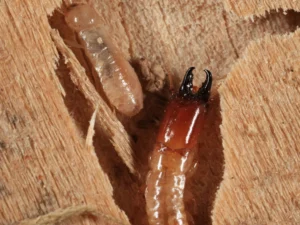
Hidup sepenuhnya dalam kayu yang mereka makan — tiada sentuhan tanah diperlukan. Sering ditemui dalam perabot, lantai kayu keras dan kayu bumbung.
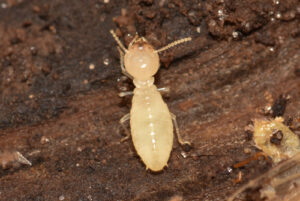
Coptotermes formosanus — dikenali sebagai anai-anai paling pemusnah di seluruh dunia. Membentuk koloni agresif yang besar; tumbuh subur di iklim tropika yang panas.
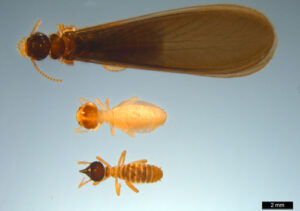
Kepala askar berbentuk kon yang tersendiri. Tidak seperti kebanyakan anai-anai, mereka membina sarang di atas tanah yang boleh dilihat dan boleh mencari makanan di tempat terbuka.
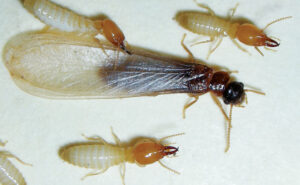
Biasa di Malaysia. Membina koloni bawah tanah dan bergerak melalui tiub lumpur untuk mencapai sumber makanan di atas tanah. Sangat aktif dalam keadaan tropika yang panas.
Genus yang menyebabkan sebahagian besar kerosakan.
Coptotermes merupakan salah satu genera anai-anai yang paling penting dari segi ekonomi di seluruh dunia. Pelbagai spesies dalam genus ini terkenal kerana menyebabkan kerosakan yang meluas terhadap bangunan, tanaman dan kawasan hutan — menyesuaikan diri dengan pelbagai habitat dan memakan kayu secara agresif.
Spesies tunggal yang paling merosakkan ialah Coptotermes formosanus — anai-anai Formosa. Ia membina koloni besar-besaran (sehingga beberapa juta ahli), makan secara agresif, dan hidup subur di iklim tropika yang panas. Ia merupakan spesies anai-anai yang paling merosakkan di seluruh dunia.
Kebanyakan Coptotermes Spesies membina koloni bawah tanah, mewujudkan sistem terowong rumit yang membolehkan mereka mengakses kayu di atas tanah sambil tersembunyi daripada pengesanan manusia — kadangkala selama bertahun-tahun sebelum kerosakan menjadi ketara.
Mengapa anai-anai berharga sekian.
Anai-anai bertanggungjawab atas kerosakan bernilai berbilion dolar setiap tahun di seluruh dunia. Kosnya jauh melebihi serangga itu sendiri.
Kerosakan struktur
Komponen bangunan kayu, rasuk sokongan, kayu bumbung, lantai, bingkai pintu — anai-anai memakannya secara senyap selama bertahun-tahun sebelum kerosakan kelihatan.
Perabot & kelengkapan
Perabot kayu keras, kabinet, bingkai gambar, buku — apa sahaja yang berasaskan selulosa menjadi sasaran yang berpotensi. Barangan warisan dan antik amat terdedah.
Rawatan & pembaikan
Selain kerosakan itu sendiri, kos pencegahan dan pemulihan termasuk rawatan kimia tanah, sistem umpan, pembaikan struktur dan pemantauan berterusan.
Suspek anai-anai? Kami ada perkhidmatan untuk setiap situasi.
Sama ada anda melihat anai-anai hidup dalam struktur sedia ada, membina hartanah baharu dan memerlukan rawatan tanah pencegahan, atau cuba memutuskan antara kaedah umpan dan penghalang — kami mempunyai pendekatan khusus untuk setiap satu. Pilih yang sesuai dengan situasi anda.
Lebih banyak daripada kami ensiklopedia perosak.
Artikel berkaitan lain — termasuk kajian mendalam tentang kitaran hidup anai-anai dan cara membezakan semut terbang daripada pengerumuni anai-anai.
 Bahasa Melayu
  English
  简体中文
简体中文  日本語
日本語  한국어
한국어  العربية