


Cicak Rumah (Cicak) — membantu, tetapi meninggalkan najis di merata tempat?
Tokek rumah yang berkeliaran di dinding anda pada waktu malam memakan nyamuk, rama-rama, dan lalat. Mereka membantu secara ekologi — tetapi najis di dinding, siling dan langsir merupakan rungutan sebenar yang dikongsi oleh kebanyakan pemilik rumah Malaysia.
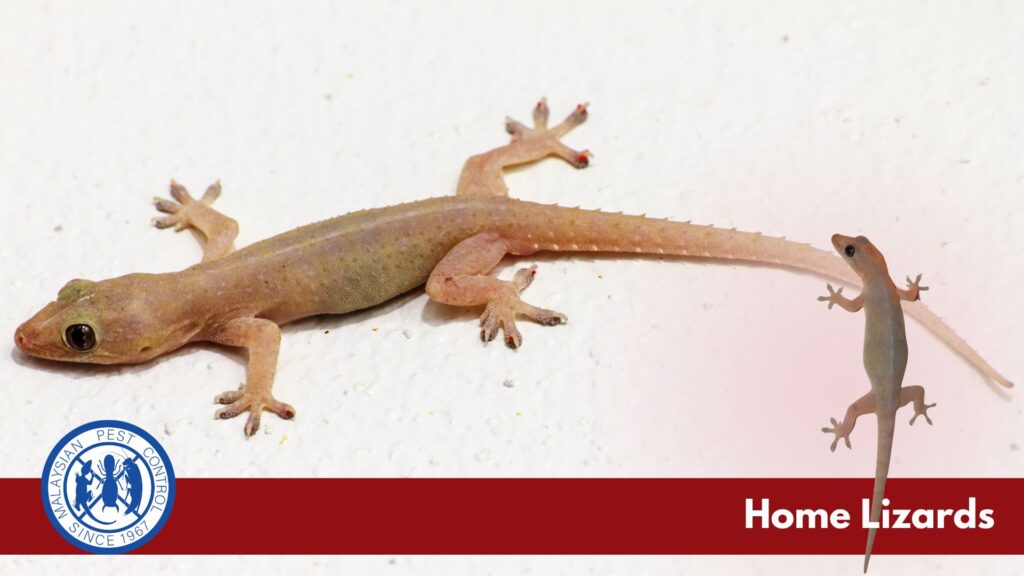
Kedua-dua spesies yang paling kerap terdapat di rumah-rumah.
Apabila melibatkan cicak yang biasa ditemui di rumah, yang sesetengah orang menganggapnya sebagai perosak kerana kehadirannya tidak diingini atau hanya disebabkan oleh ketidakselesaan peribadi, spesiesnya berbeza mengikut wilayah. Walau bagaimanapun, dua jenis cicak yang paling biasa ditemui di dalam dan di sekitar rumah di banyak tempat di dunia termasuk Tokek Rumah dan Tokek Dinding Biasa.
Tokek Rumah (Hemidactylus frenatus)
Sering dilihat pada dinding dan siling, tokek rumah bersaiz kecil, biasanya berukuran kira-kira 3 hingga 6 inci panjangnya. Mereka mempunyai kulit yang lembut dan lut sinar, membolehkan beberapa organ dalaman kelihatan samar-samar, dan warnanya boleh berbeza-beza dari coklat muda hingga kelabu. Mereka dikenali kerana bunyi kicauan yang tersendiri — “chak chak chak” klasik yang kedengaran di rumah-rumah Malaysia pada waktu malam.
Tokek Dinding Biasa (Tarentola mauritanica)
Tokek-tokek ini adalah sedikit lebih besar dan mempunyai binaan yang lebih teguh berbanding tokek rumah. Kulit mereka lebih kasar, dengan corak berbintik-bintik yang membantu mereka menyesuaikan diri dengan persekitaran mereka.
Bagaimana untuk menempatkan tokek membiak dan membesar.
Memahami bagaimana populasi cicak berkembang menjelaskan mengapa hanya membunuh cicak individu jarang menyelesaikan masalah — mereka membiak dengan cepat dan menjajah ruang baharu dengan pantas.
- Pembiakan: Kedua-dua spesies bertelur, dengan tokek rumah menghasilkan cengkaman dua telur beberapa kali setahun. Tokek dinding mempunyai tabiat pembiakan yang sama, dengan sedikit variasi bergantung pada keadaan persekitaran.
- Pertumbuhan: Tokek muda menetas daripada telur terbentuk sepenuhnya dan bebas sejak lahir. Mereka membesar dengan cepat pada tahun pertama dan boleh hidup selama beberapa tahun, bergantung pada spesies dan keadaan.
- Adaptasi: Tokek ini telah menyesuaikan diri dengan baik dengan persekitaran bandar, mencari makanan dan tempat tinggal yang mencukupi di kediaman manusia.
Pemburu serangga malam, tertarik kepada cahaya.
Tabiat Pemakanan: Kedua-dua spesies ini adalah haiwan nokturnal dan memakan serangga, menjadikannya pengawal perosak semula jadi. Mereka amat menyukai rama-rama, nyamuk dan serangga kecil lain yang tertarik kepada cahaya.
Keutamaan Habitat: Walaupun ia sering ditemui di dinding dan siling, cicak ini lebih suka persekitaran yang hangat dan lembap dan boleh ditemui bersembunyi di sebalik perabot, di celah dinding atau di antara tumbuhan pasu pada siang hari.
Adakah cicak sebenarnya berbahaya?
Jawapan jujurnya: tidak — ia secara amnya tidak berbahaya. Tetapi itu tidak bermakna kehadiran mereka dialu-alukan untuk semua orang.
Status Perosak: Walaupun tokek-tokek ini tidak berbahaya dan bermanfaat disebabkan oleh pemakanan serangga mereka, mereka sering dianggap sebagai perosak disebabkan oleh najis mereka dan kadangkala bilangan mereka yang banyak. Mereka jangan menggigit atau menimbulkan sebarang ancaman langsung kepada manusia atau haiwan peliharaan.
Penghantaran Penyakit: Ada risiko penularan penyakit yang minimum daripada cicak ini. Walau bagaimanapun, seperti mana-mana haiwan liar, ia berpotensi membawa bakteria atau parasit yang boleh mencemari permukaan.
Masalah yang ditimbulkan oleh kebanyakan pemilik rumah bukan cicak — ia adalah apa yang mereka tinggalkan.
Najis cicak kelihatan seperti pelet gelap kecil dengan hujung putih, bertaburan di dinding, siling, langsir dan ambang tingkap di mana sahaja tokek berada pada siang hari. Ia sukar dibersihkan, tidak sedap dipandang dan boleh mengotorkan permukaan. Ramai pelanggan kami tidak kisah dengan tokek itu sendiri — tetapi mereka sudah muak dengan pengelapan setiap hari.
Apa yang sebenarnya berkesan untuk mengurangkan bilangan cicak.
Dua pendekatan asas yang kebanyakan pemilik rumah Malaysia sudah tahu — tetapi ia hanya menangani simptomnya, bukan punca utamanya.
- Pengecualian: Mengedap pintu masuk, seperti celah di sekeliling pintu, tingkap dan talian utiliti, boleh membantu menghalang cicak daripada memasuki rumah.
- Pengubahsuaian Habitat: Mengurangkan pencahayaan luar boleh membantu meminimumkan tarikan serangga, secara tidak langsung mengurangkan populasi biawak. Mengeluarkan air dan serpihan yang bertakung juga boleh mengehadkan tempat persembunyian cicak.
Mengapa kami mengesyorkan bukan membunuh cicak secara langsung.
Penting untuk diingat bahawa cicak ini memainkan peranan peranan yang bermanfaat dalam mengawal populasi serangga. Kehadiran mereka adalah tanda ekosistem yang sihat. Mempertimbangkan kaedah pengurusan yang berperikemanusiaan dan tidak membawa maut adalah digalakkan untuk mengekalkan biodiversiti dan keseimbangan ekologi.
Secara ringkasnya, walaupun tokek rumah dan dinding boleh dianggap sebagai perosak apabila ia menyerang rumah, peranannya dalam kawalan perosak semula jadi selalunya mengatasi perkara negatif. Memahami tabiat dan faedah ekologi mereka boleh membantu pemilik rumah membuat keputusan termaklum tentang menguruskan kehadiran mereka.
Kurangkan bekalan makanan — dan bilangan cicak menurun secara semula jadi.
Cicak membiak dengan pantas, bersembunyi di celah-celah yang tidak dapat dicapai, dan jika anda menghapuskan 10 daripadanya hari ini, lebih banyak lagi akan bergerak masuk dalam beberapa minggu jika serangga masih ada. punca utama bukan cicak itu sendiri — populasi serangga terbang yang menarik mereka masuk.
Mengurangkan nyamuk, lipas, semut dan lalat bermaksud kurang makanan untuk cicak. Peluang makan yang lebih sedikit bermakna lebih sedikit cicak yang mengambil tempat tinggal — dan lebih sedikit najis yang perlu dibersihkan.
Bonus: Mengurangkan nyamuk dan lalat juga melindungi keluarga anda daripada denggi dan pencemaran makanan — jadi anda mendapat dua masalah yang dapat diselesaikan dengan satu program rawatan.
Ada yang sukakannya, ada yang benci najisnya. Kami telah membantu kedua-duanya sejak tahun 1967.
Serangga yang dimakan oleh cicak — dan bagaimana kita melayan mereka.
Setiap satu daripada perosak ini merupakan sumber makanan untuk tokek rumah. Merawatnya dapat mengurangkan masalah perosak DAN populasi tokek yang memakannya.
Kami juga menawarkan penghalau cicak dan pengecualian fizikal atas permintaan.
Bagi pelanggan yang lebih suka pendekatan langsung — seperti rawatan penghalau tokek, perangkap gam atau pengecualian fizikal profesional (menutup pintu masuk) — WhatsApp kami dengan butiran premis anda dan kami akan membincangkan pilihan.
Perosak lain terdapat di rumah-rumah di Malaysia.
Jika anda mendapati ini berguna, panduan perosak kami yang lain merangkumi serangga dan makhluk yang paling biasa anda temui di sekitar rumah.
 Bahasa Melayu
  English
  简体中文
简体中文  日本語
日本語  한국어
한국어  العربية