


흰개미는 어떻게 자라고 번식할까요?, 그리고 새로운 식민지를 건설하세요.
흰개미는 다음과 같은 과정을 거칩니다. 불완전 변태 — 알에서 약충으로 변태한 후, 일개미, 병정개미, 번식개미(날개개미)의 세 가지 성체 계급 중 하나로 분화합니다. 중요한 시기를 포함한 전체 발달 과정을 아래에서 확인하세요.
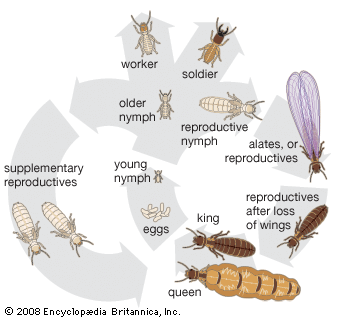 이미지: 브리태니커
알 단계 — 모든 것이 시작되는 곳.
모든 흰개미는 여왕개미가 낳은 알에서 삶을 시작합니다. 초기에는 여왕개미가 적은 수의 알만 낳지만, 군집이 성숙해짐에 따라 낳는 알의 수가 급격히 증가합니다.
계란
⏱ 부화까지 1~2주 소요여왕개미가 지속적으로 산란하며, 일개미들이 돌보고 보호합니다.
흰개미의 생애 주기는 여왕개미가 알을 낳는 것으로 시작됩니다. 군집 초기에는 암컷이 적은 수의 알을 낳지만, 군집이 커짐에 따라 하루에 수천 마리의 알을 낳을 수 있습니다. 특정 종의 성숙한 군집에서는 여왕벌이 매일 수만 개의 알을 낳습니다.
계란은 일반적으로 1~2주 안에 부화합니다., 온도와 습도 같은 환경 조건에 따라 달라집니다. 이 부화 기간 동안 일개미들은 알을 세심하게 돌보고 청소하며 포식자와 탈수로부터 보호하는데, 이는 군집 내에서 끊임없이 이어지는 활동입니다.
약충 단계 — 세 가지 가능한 경로.
부화 후 흰개미는 유충 단계에 접어드는데, 이 시기는 성장과 탈피에 있어 매우 중요한 시기입니다. 유충은 이미 성체와 비슷하지만 날개나 생식 기관이 발달하지 않았습니다. 각 유충이 어떤 단계로 성장하는지는 군집의 필요에 따라 달라집니다.
근로자 개발
⏱ 성숙하는 데 2~3개월 소요가장 빠른 발달 경로입니다. 일개미들은 먹이 찾기, 군집 먹이 공급, 둥지 건설을 담당합니다. 대부분의 약충들은 이 경로를 따릅니다.
군인 개발
⏱ 성숙하는 데 3~4개월 소요큰 턱이나 화학 물질 분사 능력으로 방어에 특화되어 있습니다. 병정의 수는 군집의 방어 필요에 따라 달라집니다.
날개 달린(생식) 발달
⏱ 성숙하는 데 6~12개월 소요가장 느린 경로입니다. 날개 달린 곤충은 혼인 비행과 새로운 군체 형성을 준비하기 위해 날개와 생식 기관을 발달시킵니다.
유충이 거치는 구체적인 경로는 다음과 같은 요인들의 영향을 받습니다. 환경적 요인, 군집의 필요, 그리고 여왕과 수벌의 페로몬 신호 즉, 식민지는 각 계급의 생산량을 역동적으로 조절할 수 있다는 뜻입니다.
성인기 — 세 번의 삶, 세 번의 인생 주기.
성체가 된 흰개미는 군집 내에서 고정적인 역할을 맡게 됩니다. 각 계급은 뚜렷한 수명을 가지고 있으며, 그 차이는 매우 두드러집니다.
근로자
수명 · 1~2년군집의 노동력 - 식량 수집, 둥지 관리, 알과 새끼 돌보기. 날개가 없고 불임이다. 가장 수가 많은 계급이다.
군인들
수명 · 1.5년 ~ 2년개미 군집을 침입이나 다른 위협으로부터 지키는 방어자들입니다. 일개미보다 수명이 약간 길지만 스스로 먹이를 구할 수 없으므로 전적으로 일개미에 의존합니다.
번식 개체 (왕과 여왕)
여왕의 수명 · 10~30년짝짓기 비행 후, 날개 달린 곤충들은 날개를 버리고 왕과 여왕이 됩니다. 여왕은 수십 년 동안 끊임없이 알을 낳고, 왕은 비슷한 기간 동안 여왕과 함께 살아갑니다.
혼인 비행에서 최초의 노동자들.
날개 달린 개미들이 어미 군체를 떠나 짝짓기를 하고 새로운 군체를 만들면서 이러한 순환은 계속됩니다. 새로운 군체가 탄생하는 과정은 일반적으로 장마 후 따뜻하고 습한 날씨에 시작됩니다.
혼인 비행
날개 달린 곤충들은 따뜻하고 습한 날씨에 자극받아 대규모로 무리를 지어 모군을 떠납니다.
페어 본딩
수컷과 암컷은 비행 중에 서로를 발견하고 짝을 지어 짝짓기를 합니다.
날개 탈피
짝짓기한 새는 착륙하여 날개를 벗고 적절한 둥지 자리(흙, 나무 등)를 고릅니다.
첫 번째 알을 낳았습니다.
여왕벌은 산란을 시작합니다. 처음에는 소량이지만 시간이 지남에 따라 점차 늘어납니다.
노동자들이 등장한다
첫 번째 일개미들은 2~3개월 안에 성숙합니다. 이제 군체는 자급자족할 수 있습니다.
날개 달린 곤충이 날아오를 때 — 그리고 그것이 말레이시아에서 중요한 이유는 무엇일까요?.
열대 지역인 말레이시아의 흰개미 떼 출현은 온대 지역의 "봄" 패턴을 따르지 않습니다. 이 지역의 날개 달린 흰개미들은 몬순 장마 이후의 따뜻하고 습한 날씨에 자극을 받는데, 이러한 현상은 1년에 여러 번 발생할 수 있습니다.
계절
말레이시아에서 날개 달린 곤충들은 일반적으로 떼를 지어 다닙니다. 장마 후 — 따뜻하고 습한 환경일 때 발생합니다. 1년에 한 계절만 발생하는 것이 아니라 여러 차례 떼를 지어 날아다닙니다.
하루 중 시간대
대부분의 흰개미 종은 떼를 지어 이동합니다. 해질녘이나 밤중에 새와 같은 포식자를 피하기 위해서입니다. 어떤 종들은 이른 아침이나 비가 온 후에 떼를 지어 나타납니다.
콜로니 성숙도
군체는 특정 크기와 안정성에 도달해야 합니다. 3~5세 — 상당한 수의 날개 달린 개체를 생산하기 전까지.
벌떼를 볼 때쯤이면, 군집은 이미 성숙했습니다.
이는 흰개미의 생애 주기에서 얻을 수 있는 가장 실용적인 통찰입니다. 만약 집 근처나 안에서 흰개미 떼를 목격했다면, 그 날개 달린 흰개미들을 만들어내는 군집은 이미 3~5년 정도 된 것일 가능성이 높습니다. 즉, 수년간 구조물에 의한 먹이 섭취가 이미 발생했을 수 있다는 뜻입니다. 분봉은 조기 경보가 아니라 늦은 경보입니다.
떼를 발견하셨나요? 내년까지 기다리지 마세요.
흰개미 떼가 나타나는 것은 근처에 이미 성숙한 흰개미 군집이 존재한다는 신호입니다. 흰개미 활동을 직접 목격했거나, 새 건물을 지을 계획이거나, 단순히 안전을 확보하고 싶다면 어떤 상황이든 흰개미 방제 서비스를 이용할 수 있습니다.
더 보기 흰개미.
흰개미 생물학 및 방제 시리즈의 다른 기사들도 확인해 보세요.
 한국어
한국어  English
  简体中文
简体中文  Bahasa Melayu
  日本語
日本語  العربية