

파리는 단순히 성가신 존재가 아닙니다. 그것들은 오염시킨다.
파리는 앉을 때마다 이전에 앉았던 곳에 있던 오염 물질을 옮깁니다. 가정에서는 불쾌감을 느낄 수 있지만, 식당, 공장, 식품 관련 사업장에서는 식중독과 같은 식품 안전 문제로 이어질 수 있습니다. 당사의 HACCP 기준 준수 파리 방제 서비스는 주거 시설과 상업 시설 모두를 보호합니다.
파리는 단순히 파리가 아닙니다. 성가신 존재.
주거 환경에서 파리는 성가신 존재일 뿐입니다. 하지만 상업 환경에서는 병원균을 옮기고, 식품 안전 기준을 위반하며, 고객을 떠나게 하는 등 심각한 골칫거리입니다.
질병 전파
파리는 살모넬라균, 대장균, 콜레라균, 장티푸스균, 이질균, 결핵균 등 100가지가 넘는 병원균을 옮깁니다. 파리는 쓰레기와 폐기물에서 음식 표면과 식기로 이러한 병원균을 옮겨 식중독과 질병을 유발합니다.
식품 안전 규정 준수
식음료 사업자에게 파리는 HACCP 감사에서 심각한 문제로 인식됩니다. 오염된 표면, 고객 불만, 그리고 보건당국의 검사는 심각한 규제 위반과 평판 손상으로 이어질 수 있습니다.
고객 경험
고객의 수프에 파리 한 마리가 들어가면 그 고객을 잃고, 다음 방문을 막을 뿐만 아니라, 온라인 리뷰까지 잃을 수 있습니다. 눈에 띄는 해충의 존재만큼 음식점의 신뢰도를 빠르게 떨어뜨리는 것은 없습니다.
세 가지 종이 원인 대부분의 파리 문제.
각 종은 번식 습성과 유인 요인이 다르므로 효과적인 치료를 위해서는 종을 정확히 식별하는 것이 첫 번째 단계입니다.
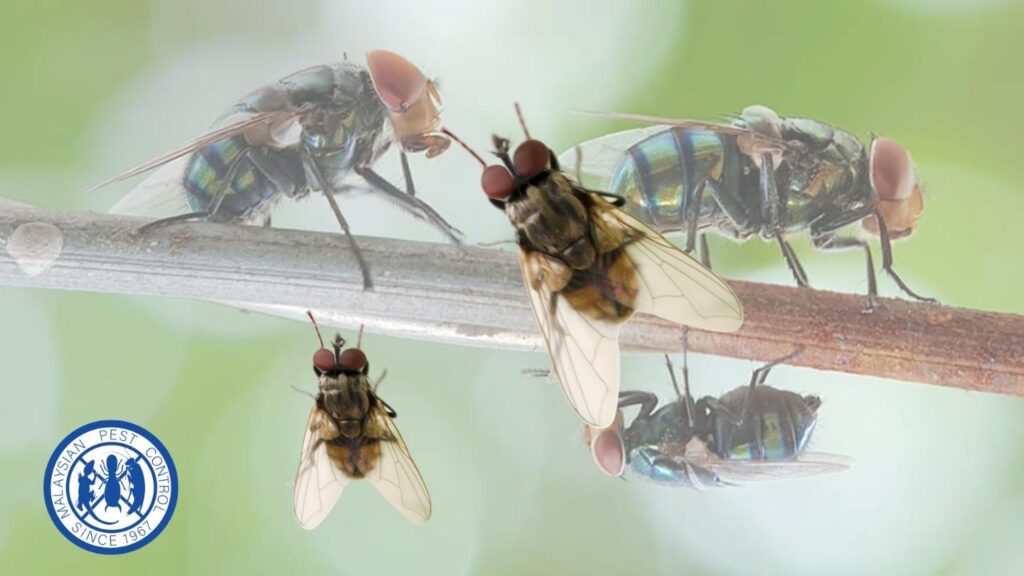
가장 흔한 성가신 파리. 끈질기고 번식력이 빠르며 음식물, 쓰레기, 배설물에 강하게 끌린다. 이러한 섭식 습성 때문에 질병을 유발하는 병원균의 매개체로 알려져 있다.
작고 붉은 눈을 가진 이 파리들은 발효 중인 과일, 채소, 설탕이 든 액체, 그리고 술에 이끌립니다. 번식력이 매우 강해 작은 문제가 며칠 만에 떼로 번질 수 있습니다.
배수구 내부의 유기물에서 번식하는 작고 나방처럼 생긴 파리입니다. 건물에서 파리를 없애지 못하는 숨겨진 이유 중 하나는 바로 번식지가 눈에 띄지 않는 곳에 있기 때문입니다.
뛰어난 성능을 발휘하는 파리 퇴치 기능 감사 심사.
레스토랑, 푸드코트, 공장, 제과점, 식품 가공 시설에서 파리 방제는 고객 편의를 위한 것일 뿐만 아니라 규제 요건이기도 합니다. 저희는 다음과 같은 서비스를 제공합니다. HACCP 기준을 준수하는 파리 방제 식품 안전 기준에 맞춰 설계되었으며, 감사관의 철저한 검토를 견딜 수 있는 문서화, 처리 기록 및 모니터링 시스템을 갖추고 있습니다.
저희 팀은 가정 환경에서 효과적인 방법과 식품 취급 환경에 필요한 방법의 차이점을 잘 알고 있습니다. HACCP 관리가 적용되는 환경에서는 화학 물질 선택, 적용 위치, 처리 시기, 기록 관리 등 모든 것이 달라집니다.
통합 해충 관리 파리를 위해서.
IPM은 국제적으로 인정받는 해충 방제 모범 사례입니다. 이는 네 가지 전략을 결합하여 화학 물질 사용을 최소화하면서 장기적인 방제를 달성하는 것을 목표로 합니다.
방지
침입 경로를 차단하고, 방충망을 설치하고, 폐기물 처리를 관리하고, 번식지를 제거하십시오. 파리가 들어오지 못하도록 막는 것이 나중에 죽이는 것보다 비용이 적게 듭니다.
문화적 통제
파리를 유인하는 습관을 바꾸세요. 쓰레기통 뚜껑을 덮고, 정기적으로 청소하고, 배수구를 관리하고, 음식물 보관에 대한 규율을 지키세요. 간단한 변화지만 큰 효과를 볼 수 있습니다.
비화학적
끈끈이 덫, 빛에 유인되는 덫, 그리고 물리적 차단막. 화학 살충제 사용이 적절하지 않은 식품 구역에서 안전하게 사용할 수 있습니다.
화학적 통제
HACCP 기준을 준수하는 표적 살충제를 필요한 곳에만 사용합니다. 최소 사용으로 최대 효과를 내며, 최우선 방제 수단이 아닙니다.
여섯 가지 방법, 상황에 맞춰져 있습니다.
파리의 종류, 시설 유형, 규정 등 모든 것이 다르기 때문에 방제 방법도 달라집니다. 저희가 고객에게 가장 적합한 조합을 선택해 드립니다.
빛이나 페로몬에 이끌려 파리를 잡는 비화학적 끈끈이 트랩입니다. 화학 살충제 사용이 금지된 식품 구역에 이상적입니다.
틈새와 넓은 공간까지 침투하는 초저용량 미세 입자 살포 방식. 실내외 파리 박멸에 효과적입니다.
파리가 앉는 표면에 살충제를 직접 살포합니다. 잔류 효과가 수주 동안 지속되어 파리 개체 수 감소에 도움을 줍니다.
열을 이용한 안개 분사 방식으로 넓은 실외 또는 반실외 공간에 살충제를 분산시킵니다. 창고 마당, 개방된 공간 및 경계선 방제에 사용됩니다.
파리가 활동하는 지역에 유인제가 섞인 미끼를 놓습니다. 파리는 미끼를 먹고 죽습니다. 이는 파리에게 피해를 주지 않고 천천히 파리를 퇴치하는 데 유용합니다.
자외선에 반응하는 전기 격자형 트랩은 식품 이외의 구역에 적합합니다. 효과적이지만 식품 접촉 표면이나 개방된 식품 구역 근처에는 적합하지 않습니다.
저희는 어떻게 서비스를 제공할까요? 파리 방제.
체계적인 접근 방식을 통해 종, 환경 유형 및 규정 준수 요건에 맞는 적절한 치료법을 적용할 수 있습니다.
검사하다
무료 현장 점검을 제공합니다. 파리의 종류, 번식지, 침입 경로 및 유인 요인을 파악하고 식품 구역 규정 준수 여부를 평가합니다.
식별하다
정확한 종 식별은 매우 중요합니다. 집파리, 초파리, 하수구파리 등은 종류에 따라 다른 방제 방법이 필요합니다.
대하다
엄선된 덫, 미끼, 살충제 및 위생 관리 권장 사항의 조합 - 필요한 경우 모두 HACCP 규정을 준수합니다.
감시 장치
치료 후 경과 관찰. 덫의 활동 상태를 검토하고 필요에 따라 치료를 조정합니다. 치료 경과 기록을 위한 문서를 작성합니다.
고객들은 무엇을 파리에 대해 궁금한 점이 있으면 물어보세요.
파리 방제 상담 시 자주 묻는 질문들.
레스토랑 및 식음료 매장을 대상으로 파리 방제 계약을 제공하시나요?
네. 저희 고객 중 가장 큰 비중을 차지하는 분야는 식음료 매장입니다. 레스토랑, 푸드코트, 제과점, 식품 공장, 슈퍼마켓, 상업용 주방 등이 포함됩니다. 저희는 HACCP 규정을 준수하는 파리 방제 서비스를 정기적인 방문, 문서화, 감사에 필요한 기록 보관과 함께 제공합니다.
계약 주기는 사업장 유형에 따라 다르며, 일반적으로 활발한 식품 사업장의 경우 월간, 파리 발생 빈도가 낮은 사업장의 경우 격월 또는 분기별로 진행됩니다.
파리를 계속 죽이는데도 새로운 파리가 나타납니다. 왜 그럴까요?
번식지가 아닌 성충을 방제하는 것이기 때문입니다. 암컷 집파리 한 마리는 최대 500개의 알을 낳는데, 배수구, 쓰레기통, 습한 유기물, 심지어는 집 밖과 같은 숨겨진 장소에 낳는 경우가 많습니다.
효과적인 파리 방제는 눈에 보이는 성충을 죽이는 것만이 아니라 번식지를 찾아 제거하는 것(점검)을 의미합니다. 이것이 바로 저희 방제 과정의 첫 번째 단계입니다.
귀사에서 사용하는 제품은 고객과 식품 조리에 안전한가요?
네. 저희는 식품 환경에 특화된 HACCP 기준에 부합하는 방법을 사용합니다. 여기에는 식품 구역에서 접착식 트랩이나 광 트랩과 같은 비화학적 방제 방법을 사용하고, 식품 이외의 표면에는 적정 농도의 잔류 살충제를 살포하는 방식이 포함됩니다.
모든 조치는 식품 안전, 재입장 시간 및 규정 준수를 고려하여 적용됩니다. 식품 관련 시설의 경우, 감사관 검토에 적합한 문서를 제공합니다.
배수구를 청소했는데도 왜 여전히 파리가 보이는 걸까요?
하수구 파리는 눈에 보이는 먼지뿐 아니라 배관 내부를 덮고 있는 유기성 점액질에서 번식하기 때문입니다. 표면 청소로는 유충이 의존하는 이 생물막까지 제거할 수 없습니다.
하수구 파리를 효과적으로 퇴치하려면 유기물을 분해하는 생물학적 하수구 세척제와 하수구 및 주변 지역에 대한 집중적인 처리가 병행되어야 합니다. 자가 제조한 표백제만으로는 효과가 없는 경우가 많습니다.
내 식당에서 전기충격기를 사용할 수 있나요?
전기 충격기는 다음과 같은 용도로 사용할 수 있습니다. 비식품 구역 — 대기실, 후방 복도, 직원 휴게실. 이것들은 음식 조리 구역이나 식사 공간 근처에는 적합하지 않습니다., 감전 과정에서 파리의 몸 조각이 주변 공간, 심지어 음식 위로 튀어 오를 수 있기 때문입니다.
먹이 구역에는 파편을 흩뿌리지 않고 포획하는 접착식 덫이나 빛을 이용한 덫을 사용하십시오.
파리 방제 비용은 얼마나 드나요?
주거용 파리 방제는 일반 해충 방제 서비스의 일부이며, 가격은 RM 130부터 시작합니다. 상업 및 식음료 계약은 사업장 규모, 업종, 방제 빈도 및 관련 법규 준수 요건에 따라 가격이 책정됩니다.
저희는 정확한 작업 범위 설정을 위해 무료 현장 실사 후 계약 견적을 제공해 드립니다. WhatsApp으로 연락주세요 준비하기 위해.
그들을 처리하자 제대로.
사진을 WhatsApp으로 보내주시면, 주거용 문제인지 상업용 식품 안전 문제인지 판단하여 귀하의 사업장에 적합한 HACCP 규정 준수 방안을 추천해 드리겠습니다.
 한국어
한국어  English
  简体中文
简体中文  Bahasa Melayu
  日本語
日本語  العربية