


نمل طائر أم نمل أبيض؟ أحدهما يُلحق الضرر بمنزلك، والآخر لا يفعل.
هل رأيت سربًا من الحشرات الطائرة حول أضواء منزلك؟ هل وجدت أكوامًا من أجنحة مهملة هل وجدتِ بقعاً على الأرض في صباح اليوم التالي للمطر؟ إليكِ كيفية معرفة ذلك في 60 ثانية - وماذا تفعلين إذا كانت البقعة مقلقة.
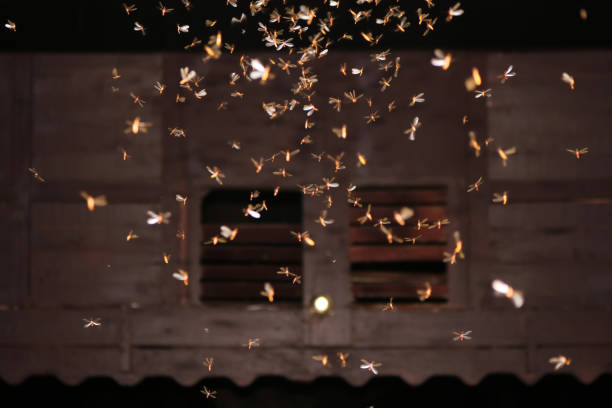
النمل الطائر أو النمل الأبيض — أي واحد رأيت؟
الاختلافات أهم مما يدركه معظم أصحاب المنازل. إليكم التفاصيل الصادقة.
هل ترى حشرات طائرة تحوم حول ضوء منزلك وتتساءل ما هي؟
النمل الطائر والنمل الأبيض هو أمر بالغ الأهمية، ولكنه يمثل تحدياً., نظراً لتشابه مظهرها خلال مواسم تكاثرها، فإن الأمر بالغ الأهمية لأصحاب المنازل؛ فهذه الحشرات ليست مجرد مصدر إزعاج، بل قد تسبب أيضاً أضراراً جسيمة. أضرار هيكلية كبيرة إلى المباني.
قد يؤدي التشخيص الخاطئ إلى استراتيجيات غير فعالة لمكافحة الآفات، مما قد يكلف الوقت والمال و... سلامة منزلك. إن فهم الاختلافات بين هذه الآفات هو الخطوة الأولى في إدارة الآفات بشكل فعال.
الاختلافات البصرية بنظرة سريعة.
ثلاثة اختلافات رئيسية يمكنك ملاحظتها بالعين المجردة: شكل الجسم، والقرون الاستشعارية، والأجنحة. احفظ هذه المعلومات أو شاركها لتسهيل التعرف عليها مستقبلاً.
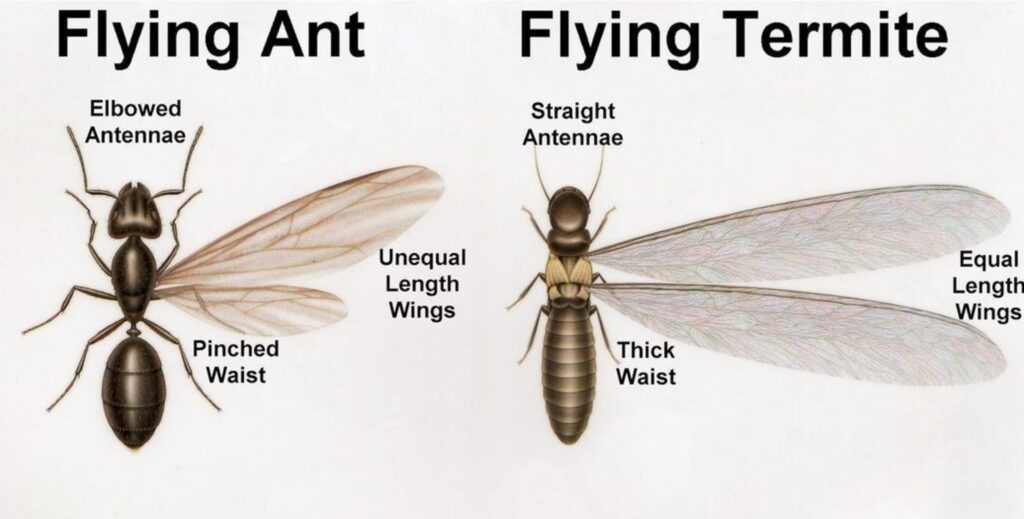
العلامات الثلاث ينبغي على كل مالك منزل أن يعرف ذلك.
إذا كان لديك رؤية واضحة للحشرة - عن قرب أو في صورة جيدة - فإن هذه السمات الثلاث تحسم المسألة.
شكل الجسم
أحد الأكثر وضوحا وأسهل لتحديد تكمن الاختلافات بين النمل الطائر والنمل الأبيض في أشكال أجسامهم. النمل الأبيض لديه سميكة، خصر مستقيم، مما يمنحهم مخططًا أكثر اتساقًا للجسم. في المقابل، النمل الطائر يمتلك بشكل واضح الخصر مقروصالذي يفصل بوضوح بين الصدر والبطن، مما يمنحهم شكل الساعة الرملية.
شكل الهوائي
تُعد قرون استشعار هذه الحشرات أيضاً سمة تعريفية رئيسية. وقد امتلك النمل الأبيض قرون استشعار مستقيمة نسبياً تبدو كحبات الخرز. أما النمل الطائر، من ناحية أخرى، فلديه قرون استشعار منحنية ذلك الانحناء بزاوية قائمة تقريبًا، والذي يمكن رؤيته بسهولة عند النظر إليه عن قرب.
حجم الجناح
يمتلك كل من النمل الطائر والنمل الأبيض زوجين من الأجنحة، لكن أوجه التشابه تنتهي عند هذا الحد. أجنحة النمل الأبيض هي حجم موحد, وغالباً ما تظهر ضعف طول جسمهم. تُظهر النملات الطائرة اختلافًا كبيرًا في طول أجنحتها؛ الأجنحة الأمامية أكبر بشكل ملحوظ من الأجنحة الخلفية, وعندما تكون في حالة راحة، لا تستقر الأجنحة بشكل مسطح بل تكون مائلة بعيدًا عن الجسم.
الفرق في التهديد ضخم للغاية.
قد يثير وجود النمل الطائر أو النمل الأبيض حول المنزل القلق، لكن عواقب الإصابة قد تكون مختلف تمامًا.
النمل الأبيض - المدمرون الصامتون
المعروف باسم المدمرون الصامتون, يمكن أن يتسبب النمل الأبيض في أضرار جسيمة لحقت بالهياكل الخشبية, غالباً ما تمر دون أن يلاحظها أحد حتى فوات الأوان. النمل الأبيض الجوفي، وهو النوع الأكثر تدميراً، يُحدث أضراراً جسيمة. أنابيب الطين للحصول على الرطوبة أثناء قيامها بأكل الخشب، مما قد يؤدي إلى تلفه السلامة الهيكلية للمباني. تكاليف الأضرار السنوية التي تلحق بالمباني بسبب النمل الأبيض مليارات الدولارات في جميع أنحاء العالم, مما يسلط الضوء على أهمية الكشف المبكر والتدخل.
النمل الطائر - مصدر إزعاج، وليس خطراً
على الرغم من أن النمل الطائر أقل تدميراً من النمل الأبيض، إلا أنه ليس غير ضار تماماً. يقتحمون المنازل بأعداد كبيرة, وخاصة خلال موسم التزاوج، ويمكن أن تكون مزعجة للغاية إذا أقامت أعشاشًا داخل المنزل. ومع ذلك، على عكس النمل الأبيض، فإن النمل الطائر لا تأكل الخشب وبالتالي، لا تشكل نفس مستوى التهديد لهيكل المباني. وجودها يُعدّ مصدر إزعاج أكثر منه خطرًا، ولكنه قد تشير إلى مشاكل أكبر تتعلق بالنمل في المنطقة.
النمل الأبيض لا ينتظرك لاحظهم.
بحلول الوقت الذي ترى فيه أسرابًا من الحشرات،, غالباً ما يتراوح عمر المستعمرة بين 3 و 5 سنوات وقد استقرت بالفعل تحت منزلك. تتغذى النمل الأبيض الجوفي في ماليزيا على الخشب. بصمت، على مدار 24 ساعة في اليوم, ، والعمل من الداخل إلى الخارج - وهذا هو السبب في أن العديد من أصحاب المنازل لا يكتشفون الضرر إلا عندما ينهار إطار الباب أو تنهار الأرضية.
أضرار النمل الأبيض تُكبّد أصحاب العقارات في ماليزيا خسائر فادحة يُقدّر دخلها السنوي بأكثر من 20 مليون رينغيت ماليزي. كل أسبوع من التأخير بعد رؤية أسراب النحل يعني المزيد من الخشب الذي تم أكله - وتكاليف علاج أعلى لاحقًا.
أجنحة مهملة
أكوام من الأجنحة الصغيرة الشفافة على عتبات النوافذ أو حواف الأرضيات أو بالقرب من تجهيزات الإضاءة - خاصة بعد المطر.
أنابيب طينية على الجدران
أنفاق بنية اللون بسمك قلم الرصاص تمتد على الجدران أو الأساسات أو العوارض. يستخدم النمل الأبيض هذه الأنفاق للتنقل بين التربة والخشب.
خشب ذو صوت أجوف
اطرق إطار الباب أو لوح الحائط أو العارضة الخشبية - إذا كان الصوت أجوفًا أو كان السطح يتقشر بسهولة، فهذا يعني أن النمل الأبيض قد أكل من الداخل.
هل رأيت أيًا من هذه الأشياء؟ يُعد الفحص المجاني الخطوة الأولى الأكثر أمانًا والأقل تكلفة. سيؤكد متخصصونا ما إذا كان هناك نشاط للنمل الأبيض، ويحددون نوعه، ويقدمون لك خطة علاج واضحة بأسعار مناسبة.
كيف نتعامل مشاكل النمل الأبيض في ماليزيا.
أربع طرق علاجية تتناسب مع مرحلة الإصابة ونوع المبنى. كل مهمة تبدأ بـ معاينة مجانية في الموقع — لا التزام، لا ضغط.
النمل الأبيض تقتيش
لست متأكدًا بعد؟ يقوم المتخصصون لدينا بزيارة موقعك، وتحديد الأنواع، ورسم خريطة للمناطق المتضررة، وتقديم خطة علاج صادقة لك.
النمل الأبيض معالجة الطُعم
يتم تركيب محطات الطعم حول ممتلكاتك. يقوم العمال بنقل الطعم إلى المستعمرة. إقصاء الملكة ووقف التكاثر من المصدر.
حاجز / معالجة الحفر
معالجة التربة كيميائياً حول الأساسات - مما يخلق حاجزاً لا يمكن للنمل الأبيض اختراقه. مناسب للمباني التي تعاني من إصابات نشطة أو المعرضة لخطر كبير.
مرحلة ما قبل الإنشاء معالجة التربة
بناء جديد أم تجديد شامل؟ عالج التربة قبل صب الخرسانة. الحل الأمثل والأكثر فعالية من حيث التكلفة لمكافحة النمل الأبيض على المدى الطويل للمطورين وأصحاب المنازل.
ماليزيا أقدم متخصص في معالجة النمل الأبيض.
فحص مجاني أولاً. ثانيًا، اقتباس صادق.
أرسل لنا عبر واتساب صورة لما رأيته - حشرات طائرة، أجنحة، أنابيب طينية، أو خشب متضرر. سيؤكد خبراؤنا ما إذا كانت نملًا أبيض أو نملًا طائرًا، وإذا لزم الأمر، سيقدمون لك عرض سعر مكتوبًا خلال 24 ساعة من الزيارة الميدانية.
المزيد حول النمل الأبيض والنمل.
إذا وجدت هذا مفيدًا، فإن أدلتنا الأخرى تتعمق أكثر في بيولوجيا النمل الأبيض، وأنواع النمل، وغيرها من الآفات المنزلية الماليزية.
 العربية
  English
  简体中文
简体中文  Bahasa Melayu
  日本語
日本語  한국어
한국어