

ما ينجح، وما لا ينجح،, ومتى تتصل بنا.
لا شك أن للطرق المنزلية دورًا في مكافحة بق الفراش، سواء للوقاية أو في المراحل المبكرة أو لدعم العلاج الاحترافي. لكن ليست كل الطرق المنزلية الشائعة فعّالة. إليك دليلًا صادقًا لما يستحق وقتك، وما هو مضيعة له، ومتى لا تكفي الطرق المنزلية.
يمكن أن تساعد الأعمال اليدوية في الوقاية والإدارة. نادراً ما يقضي عليه.
هذا هو أهم شيء يجب فهمه قبل قضاء أسابيع في محاولة علاج بق الفراش بنفسك. الطرق التي نوصي بها أدناه مفيدة حقًا، ولكنها... نطاقات محددة للفعالية.
الوقاية والإدارة المبكرة
امنع دخول بق الفراش إلى منزلك، وتعامل مع حالات ظهوره المعزولة، وادعم العلاج الاحترافي.
القضاء على الإصابات المستقرة
اقضِ على بق الفراش المختبئ في الشقوق، وخلف الجدران، وفي فواصل الأثاث. أو اكسر دورة فقس البيض.
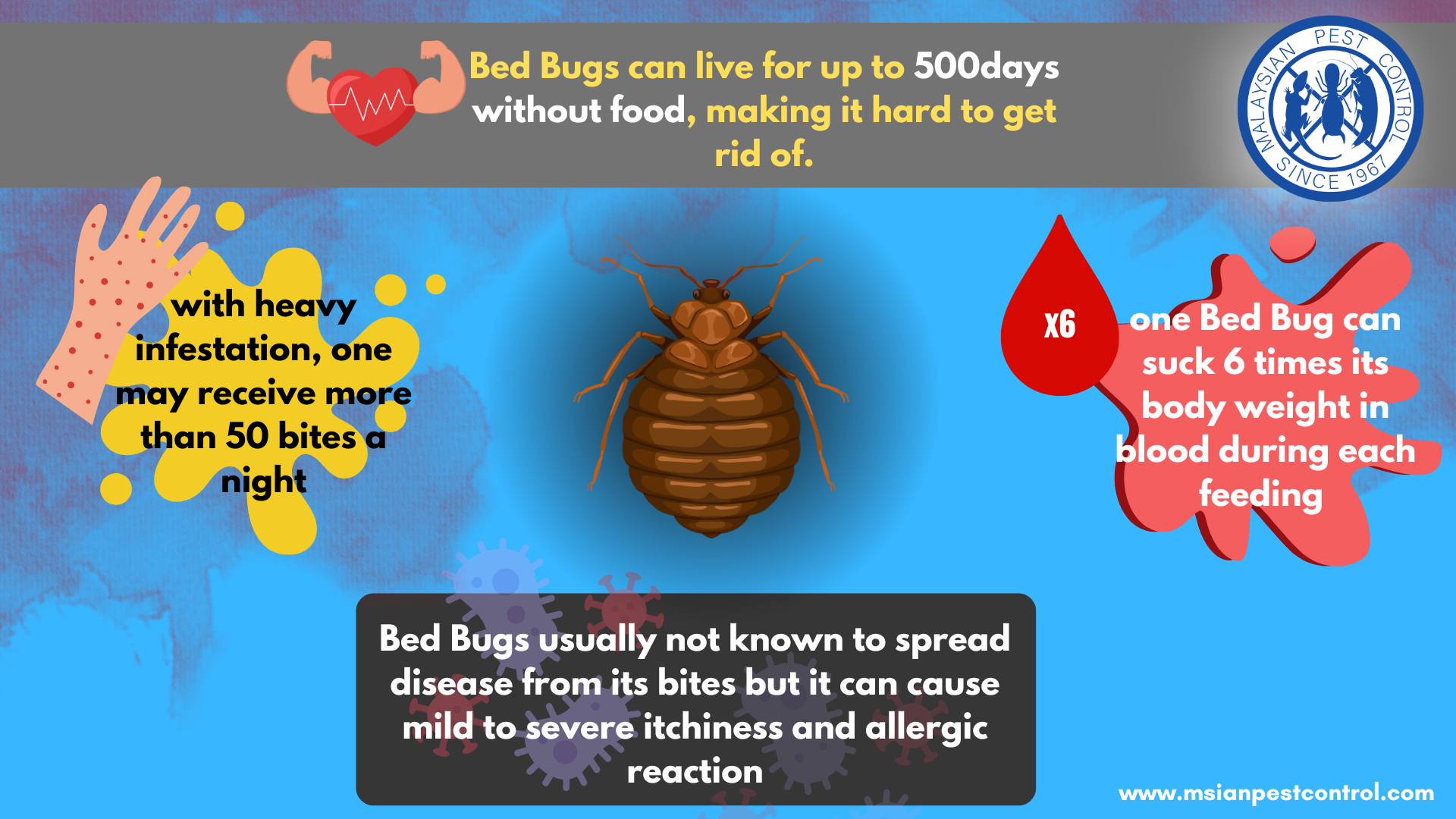
تشتهر حشرات الفراش بقدرتها على النجاة من محاولات المكافحة المنزلية لأنها تختبئ في أماكن لا يمكن أن تصل إليها بخاخات المبيدات المنزلية، وتضع بيضها بعيدًا عن الأنظار، وقد طورت مقاومة للعديد من المواد الكيميائية التي تُباع بدون وصفة طبية. يتطلب التدخل المهني عدة زيارات، حتى من قبل متخصصين ذوي خبرة مثلنا. — بسبب هذه البيولوجيا بالذات.
خمسة أشياء يستحق العناء.
هذه هي الطرق المنزلية التي نوصي بها بشدة. فهي تمنع الإصابة بالحشرات، وتسيطر على الحالات في مراحلها المبكرة، وتدعم أي علاج احترافي قد يتبع ذلك.
أغطية المراتب
أغطية بسحاب مقاومة لحشرات الفراش قم باحتجاز أي بق فراش وبيض موجود في الداخل مع منع دخول أنواع جديدة. إنها من أكثر أدوات الصيانة المنزلية فعالية.
نقاط دخول الختم
تختبئ حشرات الفراش في الشقوق والدرزات والفجوات. سد الشقوق الفجوات في الجدران، والألواح الجانبية، ووصلات الأثاث، وألواح الحواف يحد بشكل كبير من أماكن اختبائهم.
التخلص من الفوضى
تزدهر حشرات الفراش في البيئات المزدحمة. لذا، فإن تقليل الفوضى، وخاصة حول أماكن النوم، يُصعّب عملية الاختباء ويُسهّل عملية الفحص. خزّن الأغراض في عبوات محكمة الإغلاق.
غسيل بدرجة حرارة عالية
اغسل أغطية الأسرة والستائر والملابس بالماء الساخن (60 درجة مئوية فأكثر)، ثم جففها في المجفف على أعلى درجة حرارة. الحرارة تقضي على بق الفراش في جميع مراحل نموه — إحدى أكثر الطرق فعالية.
قم بتنظيفه بالمكنسة الكهربائية جيداً
نظّف حواف المراتب، وإطارات الأسرة، والأرائك، وحواف الأرضيات بالمكنسة الكهربائية. ركّز على الشقوق والزوايا. أفرغ المحتويات في ضعها في كيس محكم الإغلاق وتخلص منها في الخارج فوراً.
خمسة أشياء ستراها على الإنترنت — هذا لن يفيد.
تنتشر العديد من العلاجات "المعجزة" لبق الفراش على وسائل التواصل الاجتماعي والمنتديات. نسمع عنها باستمرار من عملاء محبطين جربوها. إليك ما يجب تجنبه - ولماذا.
قنابل مبيدات الحشرات / أجهزة التبخير
لا تستخدمها. تنشر قنابل مكافحة الحشرات رذاذًا كيميائيًا في الهواء الطلق، لكن بق الفراش يختبئ في الشقوق التي لا يصل إليها الرذاذ. والأسوأ من ذلك، أن أجهزة التبخير قد تنشر بق الفراش في مناطق أوسع.
الزيوت العطرية
شجرة الشاي، والخزامى، والنعناع، والأوكالبتوس - ادعاءات شائعة على الإنترنت، ولكن غير فعال في قتل بق الفراش. قد تصد هذه الحشرات البالغين لفترة وجيزة، لكنها لا تفعل شيئًا حيال البيض أو المستعمرات المخفية.
صودا الخبز / الخل
ادعاء شائع على وسائل التواصل الاجتماعي مع لا يوجد دليل علمي فعاليتها ضد بق الفراش. قد تصطاد بعض الحشرات التي تمر عبرها، لكنها لن تقضي على الإصابة الفعلية.
الكحول / الكحول الطبي
سيقضي على بق الفراش عند ملامسته مباشرة، ولكن لا يخترق أماكن الاختباء وهو شديد الاشتعال. غير فعال في مكافحة الآفات، ويشكل خطراً حقيقياً للحريق.
بخاخات عامة متوفرة في المتاجر الكبرى
معظم بخاخات المبيدات الحشرية المنزلية التي تباع "لجميع الحشرات" هي غير فعال ضد سلالات بق الفراش المقاومة للمبيدات الحشرية. ستستهلك العلب دون إحراز أي تقدم.
الصادق المعايير اللازمة للاتصال بنا.
إذا انطبق عليك أي مما يلي، فمن غير المرجح أن تحل الطرق المنزلية وحدها المشكلة. إن الاستعانة بخبير ليس اعترافاً بالفشل، بل هو الخطوة العملية التالية.
ما زلت تتعرض للعض بعد أكثر من أسبوعين من العمل اليدوي
إذا لم تُقلل التدابير المنزلية المستمرة من اللدغات في غضون أسبوعين، فإن الإصابة تكون قد ترسخت بشكل يتجاوز قدرة التدابير المنزلية على الوصول إليها.
تم العثور على بق الفراش في غرف متعددة
عندما ينتشر المرض إلى ما هو أبعد من غرفة واحدة، يصبح احتواؤه ذاتيًا غير عملي. يتطلب علاج عدة غرف نهجًا احترافيًا منسقًا.
لا يمكنك تحديد أماكن الاختباء
إذا كنت ترى لدغات ولكن لا يمكنك العثور على مكان اختباء بق الفراش، فإن الفحص الاحترافي يكشف ما تغفله العيون غير المدربة - بما في ذلك خلف الجدران وداخل الأثاث.
يستمر تفشي المرض في العودة
عادةً ما تعني الإصابة المتكررة بعد المعالجة المنزلية أن البيض لا يزال موجودًا في أماكن يصعب الوصول إليها. ولا يكسر هذه الحلقة إلا برنامج علاج منظم يتضمن ثلاث زيارات.
يتأثر النوم بشكل خطير
إذا كان القلق بشأن بق الفراش يعكر صفو نومك أو عملك أو حياتك الأسرية، فإن ثمن الانتظار يتجاوز مجرد اللدغات. فالعلاج الاحترافي ينهي المشكلة بسرعة أكبر.
أنت تسكن في شقة سكنية أو شقة
تنتقل حشرات الفراش بين الوحدات السكنية المتجاورة عبر الجدران والأرضيات. ونادراً ما يحل العمل الفردي في المباني المشتركة المشكلة، فالجيران والهياكل المشتركة لها دورٌ هام.
هل جربت الأعمال اليدوية؟ سنتولى الأمر من هنا.
يأتي إلينا العديد من عملائنا بعد أسابيع من محاولات العلاج المنزلي. لا نحكم عليهم، بل نفضل أن تجربوا الحلول البسيطة أولاً. عندما تكونون مستعدين لبرنامجنا المنظم المكون من ثلاث زيارات والذي يعالج البيض الخفي، والسلالات المقاومة، والشقوق التي لا تصل إليها العلاجات المنزلية، فنحن هنا لمساعدتكم.
المزيد عن بق الفراش.
مقالات أخرى ضمن سلسلة مقالاتنا عن بق الفراش - تغطي علم الأحياء، والتأثير الصحي، وبرنامج العلاج المكون من 3 زيارات.
 العربية
  English
  简体中文
简体中文  Bahasa Melayu
  日本語
日本語  한국어
한국어