

빈대는 질병을 옮기나요? 간단히 답하자면, 아니오입니다.
걱정할 만한 이유가 있습니다. 빈대는 사람의 피를 빨아먹고 가려운 물린 자국을 남기며, 빈대가 들끓으면 심각한 고통을 초래할 수 있습니다. 하지만 이러한 모든 단점에도 불구하고 빈대는 결코 해롭지 않습니다. 질병 매개체로 분류되지 않음. 과학적 근거와 그것들이 실제로 일으키는 원인은 다음과 같습니다.
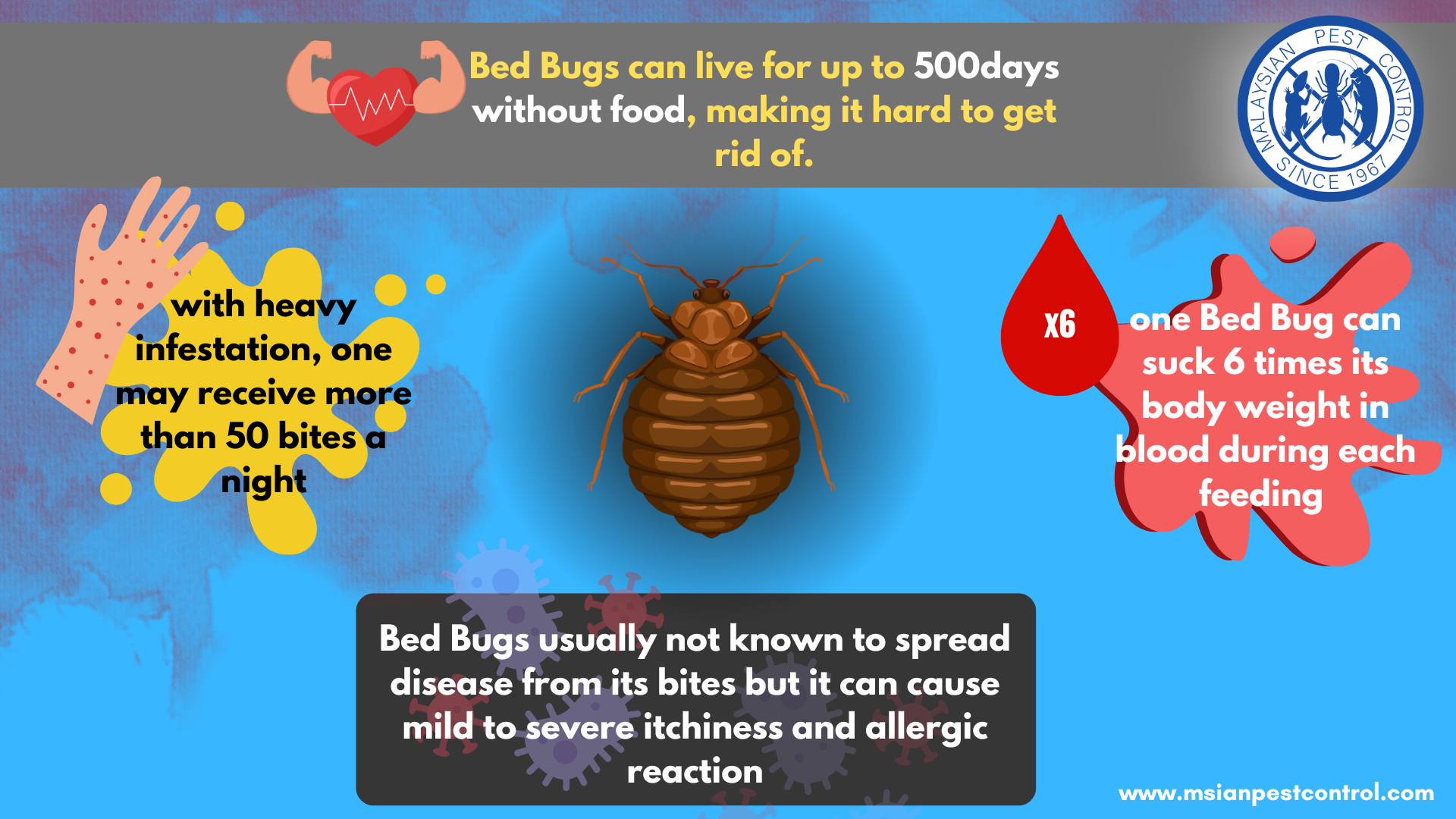
빈대는 질병을 전파하는 것으로 알려져 있지 않습니다.
이 사실에 놀라는 사람들도 있지만, 이는 잘 알려진 사실입니다. 모기, 벼룩, 진드기와는 달리 빈대는 질병 매개체로 간주되지 않음. 빈대는 공중 보건 해충으로 분류됩니다. 즉, 직접적인 감염 위험이 아니라 삶의 질에 영향을 미친다는 뜻입니다. 빈대에 물려 심각한 질병에 걸릴까 봐 걱정되신다면, 그 걱정은 접어두셔도 됩니다. 실제 영향은 전혀 다르며, 다음에서 자세히 살펴보겠습니다.
실질적인 영향 — 다만 당신이 생각하는 그런 종류는 아닐 겁니다.
빈대는 질병을 옮기지는 않지만, 빈대 감염으로 인한 피해는 매우 심각합니다. 빈대가 실제로 어떤 문제를 일으키는지 알아보겠습니다.
가려운 벌레 물림
붉고 부풀어 오른 두드러기가 나타나며 며칠 동안 심한 가려움증을 유발할 수 있습니다. 물린 자국은 일반적으로 노출된 피부에 무리지어 나타납니다.
이차 감염
과도하게 긁으면 피부에 상처가 생겨 박테리아가 침투하여 피부 감염을 일으킬 수 있습니다.
수면 장애
잠자는 동안 모기에 물릴까 봐 불안해하면 불면증, 뒤척이는 밤, 그리고 누적된 피로로 이어집니다.
정신 건강 스트레스
해충 박멸 작업이 진행되는 동안 불안감, 당혹감, 사회적 고립, 지속적인 스트레스를 경험하게 됩니다.
질병 위험이 없다는 것은 다음을 의미하지 않습니다. 급할 필요 없어요.
빈대는 감염성 질병 측면에서 공중 보건에 위협이 되지는 않지만, 빈대가 존재한다는 사실 자체는 여전히 문제를 야기할 수 있습니다. 일상생활에 상당한 영향을 미칩니다. 끊임없는 가려움, 수면 부족, 잠자리에 드는 것에 대한 불안감, 손님 앞에서 느끼는 당혹감, 그리고 다른 사람에게 문제를 옮길까 봐 두려워하는 마음은 결코 사소한 문제가 아닙니다.
빈대 감염을 신속하게 처리하면 두 가지 이점이 있습니다. 첫째, 신체적 증상이 악화되는 것을 방지하고, 둘째, 당신의 정신 건강을 보호합니다 장기간의 스트레스 때문입니다. 빈대는 전문가의 도움 없이는 박멸하기가 매우 어렵기로 악명이 높습니다. 방치할수록 나중에 제거하기가 더욱 어려워집니다.
세계의 최고의 히치하이커들.
빈대는 날지도, 뛰지도, 달리지도 못합니다. 하지만 빈대는 등에 올라타는 데는 도가 텄습니다. 바로 이 때문에 호텔, 아파트, 가정집 등 어디든 쉽게 퍼져나가는 것입니다.
호텔 및 여행
빈대는 투숙객이 머무는 동안 짐, 여행 가방 등에 숨어듭니다. 깨끗하고 평판이 좋은 호텔에서조차 빈대가 집으로 돌아오는 가장 흔한 경로입니다.
중고 가구
중고 매트리스, 소파, 침대 헤드보드, 천으로 덮인 의자는 빈대를 새집으로 옮겨올 가능성이 높습니다. 무엇이든 집에 가져오기 전에 꼼꼼히 살펴보세요.
아파트 간 이동
콘도미니엄이나 아파트에서 빈대는 벽, 바닥 틈새, 공용 구조물 등을 통해 세대 간 이동합니다. 한 세대의 빈대 감염이 순식간에 건물 전체로 확산될 수 있습니다.
일반적인 빈대 오해.
빈대에 대한 잘못된 정보 때문에 사람들이 조치를 미루거나 잘못된 방법을 사용하는 경우가 많습니다. 진실은 무엇일까요?.
질병은 없지만 그래도 제대로 다룰 가치가 있다.
빈대는 질병을 옮기는 매개체는 아니지만, 악명이 높고 박멸하기가 매우 어렵습니다. 저희의 전문 빈대 박멸 프로그램은 철저한 검사, 모든 생애 주기에 효과적인 고급 처리, 그리고 박멸 확인을 위한 사후 모니터링을 포함합니다. 이제 마음의 평화를 되찾으세요.
더 보기 빈대.
저희의 다른 가이드에서는 빈대의 생태, 퇴치 과정, 그리고 자가 방제 방법에 대해 자세히 다루고 있습니다.
 한국어
한국어  English
  简体中文
简体中文  Bahasa Melayu
  日本語
日本語  العربية