

حريشات — الآفة التي تنذر بمشكلة أكبر.
سريعة الحركة، سامة، ومخيفة بشكل لا لبس فيه - تُعدّ حريشات الأرجل من أكثر الحشرات المكروهة في المنازل الماليزية. ولكن إليكم ما يغفل عنه معظم الناس: إنهم في الواقع حيوانات مفترسة, ووجودها عادة ما يعني وجود آفات أخرى بالفعل.
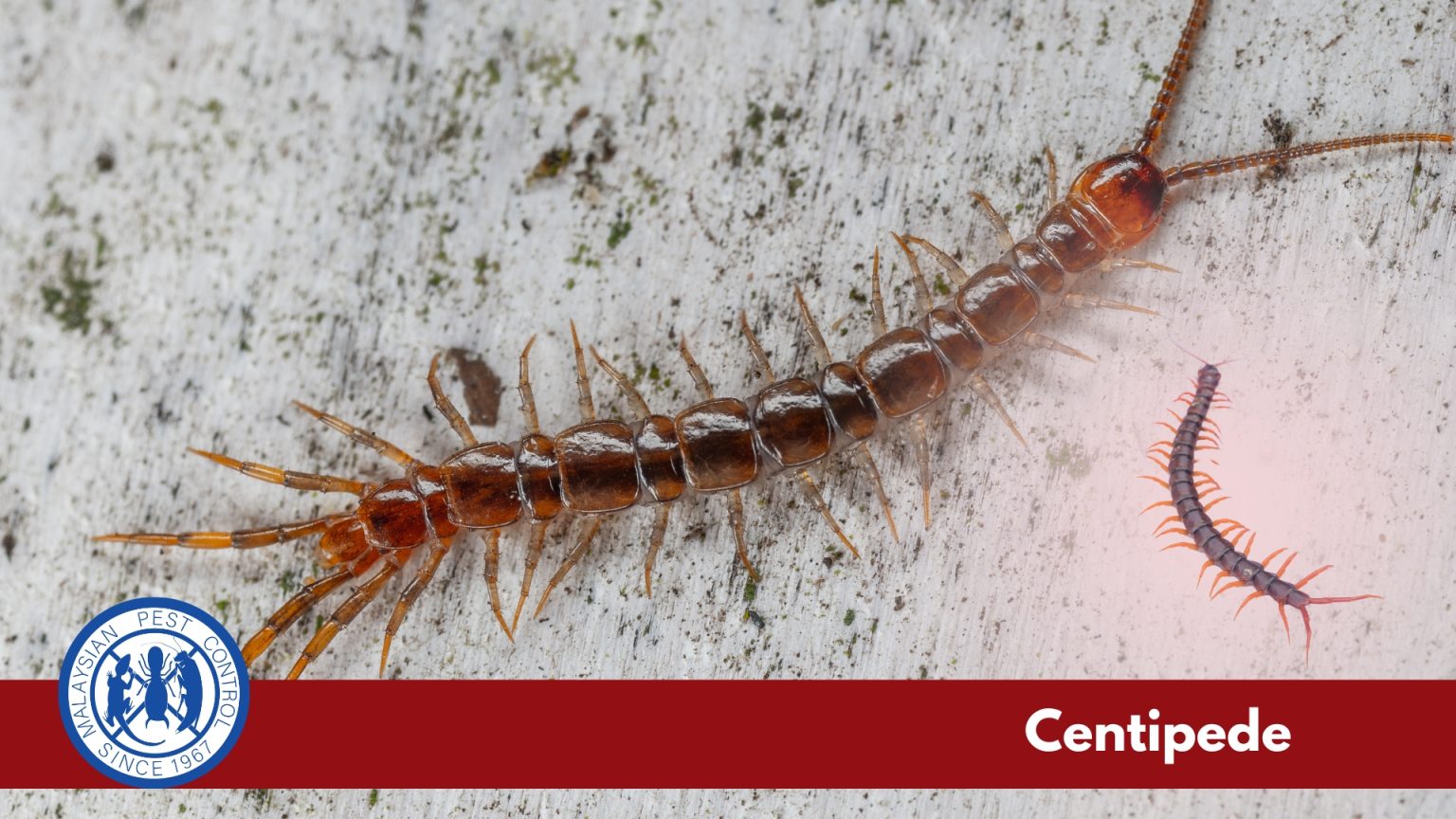
مخيف - لكن ذات أهمية بيئية.
الحقائق المباشرة عن حريش الأرجل، بدون إطار أفلام الرعب.
حريش غالباً ما يُنظر إليها على أنها حشرات زاحفة مخيفة، لكنها تلعب دوراً دور هام في النظام البيئي. على الرغم من أنها قد تكون سامة، إلا أنها عادة لا تشكل خطراً على البشر أو الحيوانات الأليفة إلا في حالة حدوث رد فعل تحسسي.
حريش ماليزيا يستحق الاحترام.
سكولوبندرا سوبسبينيبس تُعدّ حريشة الرأس الأحمر العملاقة شائعة في المنازل والحدائق الماليزية، وخاصة خلال موسم الأمطار. ويمكن أن يصل طولها إلى طوله 20 سم, ، له طابع مميز رأس برتقالي محمر وجسم داكن, وتُسبب واحدة من أكثر لدغات اللافقاريات إيلاماً في البلاد.
نادراً ما تكون اللدغات قاتلة، لكنها تسبب ألم حارق شديد، وتورم، واحمرار، وحمى في بعض الأحيان قد يستمر ذلك من ساعات إلى أيام. يجب على الأشخاص الذين يعانون من الحساسية والأطفال وكبار السن التعامل مع أي لدغة من حريش الأرجل على أنها مشكلة طبية خطيرة.
- اغسل منطقة العضة اغسلها بالماء والصابون فوراً.
- ضع كمادة باردة لمدة 10-15 دقيقة لتقليل التورم.
- تناول مسكنات الألم التي لا تستلزم وصفة طبية إذا لزم الأمر.
- اطلب الرعاية الطبية إذا كنت تعاني من تورم شديد، أو صعوبة في التنفس، أو ألم في الصدر، أو علامات رد فعل تحسسي (طفح جلدي، دوار، غثيان).
- إذا كان ذلك ممكناً بأمان،, صورة حشرة أم أربعة وأربعين — فهو يساعد المتخصصين الطبيين على تحديد نوع الكائن الحي والعلاج المناسب.
المراحل الثلاث لـ تطور حريش الأرجل.
تمر حريشات الأرجل بتحول تدريجي، حيث تضيف أجزاءً من الجسم وأرجلاً مع كل انسلاخ.
مرحلة البيض
تضع حريشات الأرجل بيضها في التربة أو في أماكن مخفية داخل المنازل.
مرحلة الأحداث
حشرات حريش صغيرة يشبهون البالغين لكنها أصغر حجماً ولديها عدد أقل من الأرجل.
مرحلة الكبار
حشرات حريش بالغة الصيادون الليليون, ، تفترس أنواعاً مختلفة من الحشرات.
أين حشرات أم أربعة وأربعين عش واصطد.
يساعدك فهم تفضيلات حريش الأرجل على التنبؤ بأماكن ظهورها - والحد من الظروف التي تزدهر فيها.
حريشات ليلي ويفضل بيئات مظلمة ورطبة. هم سريعي الحركة وغالباً ما يمكن العثور عليها في أماكن مخفية داخل المنازل.
إنهم يزدهرون في أماكن مثل الأقبية، وتحت الأحواض، وأحواض الاستحمام، ومصارف الأرضيات. بيئات رطبة ومظلمة مثالية لبقائهم على قيد الحياة.
السم مقابل الدور المفيد — الصورة الصادقة.
حشرات أم أربعة وأربعين خطيرة ومفيدة في آن واحد. كلا الأمرين مهمان.
تحتوي حريشات الأرجل على سم يمكن أن يسبب ألم شديد وردود فعل تحسسية عند البشر. حالات الوفاة نادرة لكن تم الإبلاغ عنها.
غالباً ما يُنظر إليهم على أنهم آفات بسبب الظهور والحضور في وسائل الإعلام المرعبة. ومع ذلك، فهم الحيوانات المفترسة النافعة من الآفات المنزلية الأخرى.
ستة أماكن لـ تحقق أولاً.
تحتاج حشرات أم أربعة وأربعين إلى الرطوبة. إذا كنت تجدها بانتظام، فتحقق من هذه الأماكن بحثًا عن الرطوبة أو التسريبات.
حشرات أم أربعة وأربعين تخبرك بشيء ما — استمع جيداً.
قد تشير المشاهدات المتكررة للحشرات ذات الأرجل المئة إلى وجود إصابة بالآفات., لأنها تنجذب إلى مصادر الغذاء مثل النمل الأبيض والصراصير والعناكب. تشير المشاهدات المتكررة في منزلك إلى أن قد تكون هذه الآفات موجودة — حتى لو لم ترهم بشكل مباشر.
ما يمكنك فعله افعل ذلك فعلاً.
خطوات فورية يمكنك اتخاذها قبل طلب المساعدة المتخصصة.
لإدارة تفشي حريش الأرجل،, معالجة مشاكل الرطوبة وسد نقاط الدخول. يمكن أن يساعد تقليل الفوضى واستخدام أجهزة إزالة الرطوبة. إذا شوهدت حشرات أم أربعة وأربعين بشكل متكرر، فقد يكون الوقت قد حان لـ اتصل بشركة مكافحة الآفات الماليزية للحصول على مساعدة احترافية.
هل يمكن قتل حريش؟ وسيتبع ذلك عشرة آخرون.
يسهل قتل حشرات أم أربعة وأربعين الفردية - يكفي استخدام خف. ولكن إذا رأيتها بانتظام, قتلهم واحداً تلو الآخر لن يحل أي شيء. سيأتي المزيد طالما هناك طعام (آفات أخرى) للصيد.
الحل الدائم هو إزالة ما يجذبهم في المقام الأولالصراصير والنمل الأبيض والنمل والحشرات الأخرى التي تعيش في منزلك. عالج مشكلة الآفات الأساسية، ولن يكون هناك سبب لبقاء حريش الأرجل.
علاوة: عادةً ما تكون الآفات التي تصطادها حريشات الأرجل هي نفسها التي تُسبب ضرراً مباشراً لعائلتك - فالصراصير تنشر الأمراض، والنمل الأبيض يُتلف المباني، والنمل يُلوث الطعام. حل مشكلة حريشات الأرجل يحل المشكلة الحقيقية.
نبحث عما هو في الواقع، هذا ما يسبب مشكلة الآفات لديك.
عالج مصدر الغذاء — تغادر حريشات الأرجل.
هذه هي الآفات التي تبحث عنها حريشات الأرجل. عالجها، وستحل المشكلتين معًا - حريشات الأرجل والآفة الأساسية.
كما أننا نتولى إزالة حريش مباشرة — وخاصة السامة منها.
للعملاء الراغبين في معالجة مباشرة لحشرات أم أربعة وأربعين - وخاصة إزالة أم أربعة وأربعين الكبيرة ذات الرأس الأحمر (سكولوبندرا)، أو فحص مناطق التعشيش المشتبه بها، أو إدارة حشرات أم أربعة وأربعين بشكل عام - تواصلوا معنا عبر واتساب مع إرفاق صور وتفاصيل الموقع. سيقوم متخصصونا بتقييم الوضع وتقديم عرض سعر.
آفات حريش يبحثون عن.
بما أن حريشات الأرجل تنجذب إلى الآفات الأخرى، فإن فهم تلك الآفات هو أسرع طريقة لحل المشكلة الأساسية.
 العربية
  English
  简体中文
简体中文  Bahasa Melayu
  日本語
日本語  한국어
한국어