

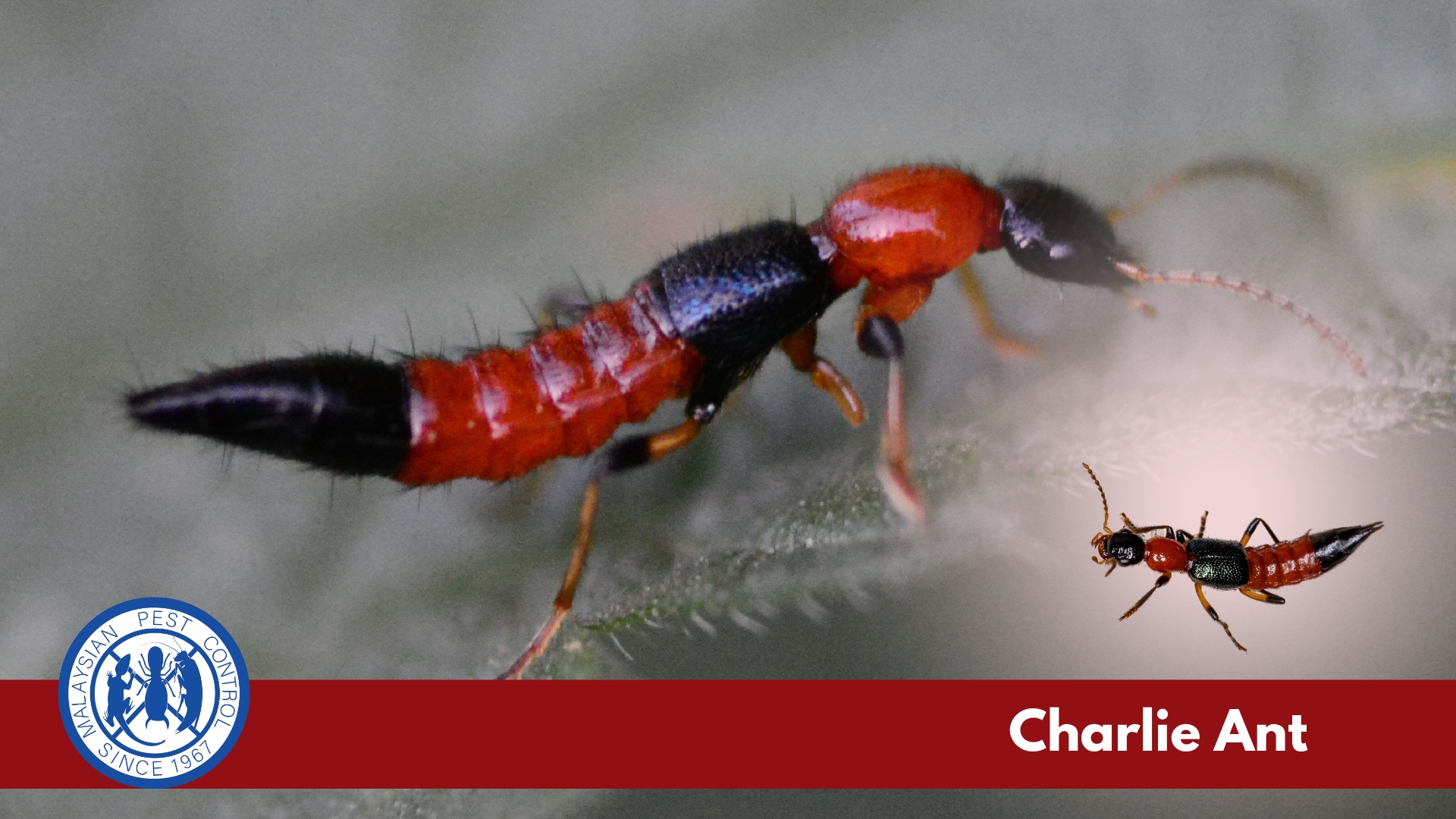
نمل تشارلي ليس نملاً. إنها خنافس روف سامة.
على الرغم من الاسم المضلل، فإن نمل تشارلي ينتمي إلى جنس بيديروس — نوع من الخنافس الجوالة، وليست نملًا على الإطلاق. تحمل هذه الخنافس سمًا قويًا يُسمى البيديرين، والذي يُسبب ردود فعل جلدية حادة عند سحقها على الجسم.
لا تسحقهم. لا تلمسهم.
لا تُعتبر نملات تشارلي عدوانية بشكل مباشر، لكن أجسامها تحتوي على بيديرين, وهي مادة سامة تُفرز عند سحق الخنفساء على الجلد. وتسبب التهاب الجلد التماسي الحاد: تهيج مؤلم، وحكة، واحمرار، وتقرحات قد تستمر لأيام.
تنصح وزارة الصحة الماليزية بتجنب أي تلامس جسدي مع نمل تشارلي. انفخها بعيدًا أو انفضها برفق - لا تضربها أو تصفعها أو تسحقها على جلدك أبدًا.
- اغسل المنطقة المصابة جيداً بالماء والصابون في أسرع وقت ممكن.
- ضع كمادة باردة لتقليل التورم والتهيج.
- استخدم مضادات الهيستامين التي تُصرف بدون وصفة طبية أو جل الصبار لتخفيف الحكة.
- راقب الحالة عن كثب - إذا كانت البثور شديدة أو انتشر رد الفعل، فاطلب المشورة الطبية.
ليس النمل. خنافس الروڤ.
على الرغم من الاسم الشائع، فإن نمل تشارلي هو في الواقع خنافس جوالة تنتمي إلى جنس بيديروس. لقد اكتسبوا اسمهم المضلل بسبب شكل أجسامهم النحيل الشبيه بالنمل - لكنهم ينتمون إلى عائلة حشرات مختلفة تمامًا.
عادةً ما يكون البالغون يتراوح طولها من 1 إلى 3.5 سنتيمتر, تتميز هذه النملة بأجسامها الطويلة ولونها البرتقالي والأسود اللافت للنظر. وعلى عكس النمل الحقيقي، فإن نمل تشارلي يستطيع الطيران - ويستخدمون هذه القدرة للتفرق، والعثور على الطعام، ومطاردة الضوء الاصطناعي في الليل.
موطنها الأصلي ماليزيا ومناطق أخرى في جنوب شرق آسيا، حيث تؤدي دورًا مفيدًا في الزراعة كمفترسات لآفات المحاصيل. تبدأ المشكلة عندما تتسلل إلى منازلنا.
شاهدهم في بيئتهم الطبيعية.
تتحرك نملات تشارلي بشكل مختلف عن النمل الحقيقي - فهي أسرع وأكثر عشوائية وقادرة على الطيران. مراقبتها تساعدك على ملاحظة الفرق بسرعة، وهو أمر مهم عند تحديد ما إذا كان شيء ما على حائطك خطيرًا أم غير ضار.
لاحظهم جسم ممدود, ، على النقيض من ذلك أشرطة برتقالية وسوداء, وكيف ترفع بطونها عند إزعاجها - وهو وضع دفاعي يحذر الحيوانات المفترسة المحتملة من تركيبها الكيميائي السام.
حيث ستجد اعثر عليهم.
تزدهر نملات تشارلي في البيئات الرطبة - الأراضي الزراعية وحقول الأرز والحدائق. لكنها غالباً ما تنتهي في المساحات الحضرية، حيث تجذبها أضواء المنازل والشقق السكنية.
-
البيئات الخارجية الرطبة حقول الأرز، والحدائق، والأراضي الزراعية، والمناطق التي تحتوي على مواد عضوية متحللة
-
المباني الحضرية ليلاً ينجذب الناس إلى الشقق السكنية والشقق بفضل الإضاءة الاصطناعية
-
ذروة الموسم خلال موسم الأمطار يكونون أكثر نشاطاً وأكثر عرضة لدخول المنازل خلال الطقس الرطب
-
لا توجد أعشاش تقليدية تعيش تحت الصخور، وفي الأنقاض، وفي المواد العضوية المتحللة - فهي لا تشكل مستعمرات مثل النمل الحقيقي
المراحل الأربع لـ تطوير شخصية تشارلي أنت.
مثل معظم الخنافس، تخضع نملة تشارلي لتحول كامل من خلال أربع مراحل حياة متميزة.
بيضة
تضع الإناث بيضاً صغيراً بيضاوياً في أماكن محمية - التربة، والمواد العضوية المتحللة - مصممة للاندماج وتجنب الحيوانات المفترسة.
يرقة
مفترسات صغيرة عديمة الأجنحة تتغذى على الحشرات الصغيرة والمخلفات العضوية. تغير جلدها عدة مرات أثناء نموها.
شرنقة
تتشكل اليرقة داخل شرنقة، ثم تعود إلى شكلها البالغ. وتختبئ في التربة أو تحت الأنقاض خلال هذه المرحلة الحساسة.
الكبار
جسم ممدود، ذو أشرطة برتقالية وسوداء، قادر على الطيران. المرحلة المتحركة المرئية - وهي التي تحمل سم البيديرين.
نملة تشارلي بنظرة سريعة.
احفظ أو شارك هذا المرجع المرئي - وهو مفيد لتحديد نمل تشارلي بسرعة ومعرفة ما يجب فعله إذا صادفت واحدًا.
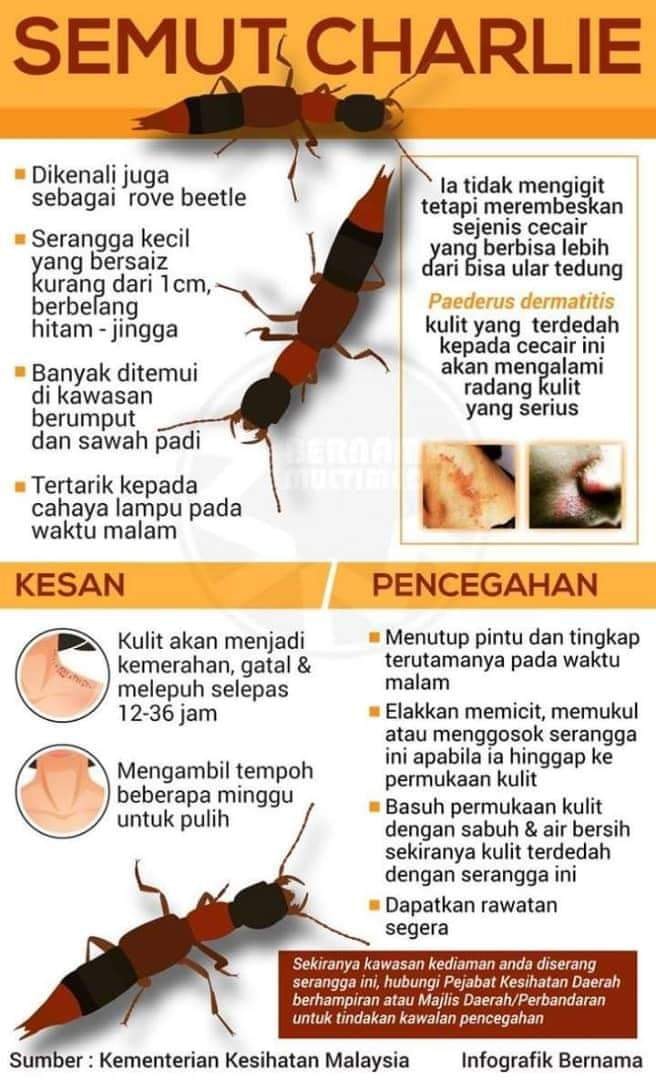
دليل مرئي لـ تحديد الهوية والسلامة.
يغطي هذا الرسم البياني كل ما تحتاج إليه للتعرف على نملة تشارلي عند رؤيتها، وفهم المخاطر التي تشكلها، ومعرفة ما يجب فعله إذا تعرضت لسمها.
لا تتردد في احفظه على هاتفك للرجوع السريع، خاصة خلال موسم الأمطار عندما يبلغ نشاط نمل تشارلي ذروته. شارك هذه المعلومات مع العائلة والأصدقاء في الشقق والمجمعات السكنية حيث تكثر هذه الخنافس.
الاحتفاظ بنمل تشارلي خارج مساحتك.
تنجذب نملة تشارلي في الغالب إلى الضوء ليلاً. بعض الممارسات المنزلية البسيطة تقلل بشكل كبير من فرصة دخولها.
نقاط دخول الختم
افحص الشقوق حول النوافذ والأبواب وفتحات التهوية. استخدم شريطًا مانعًا للتسرب أو مادة مانعة للتسرب لسد الفجوات.
قلل من الإضاءة الخارجية
أطفئ الأضواء الخارجية غير الضرورية ليلاً، أو استخدم مصابيح صفراء/دافئة اللون تجذب حشرات أقل.
قم بإزالة المواد المتحللة
قم بإزالة أكوام الأوراق المتساقطة، ومخلفات الحدائق المتحللة، والحطام العضوي الرطب بالقرب من مكان إقامتك - موائل تكاثر نمل تشارلي.
استخدم واقيات النوافذ
قم بتركيب شبكات دقيقة على النوافذ والأبواب لمنع دخول الهواء مع السماح بالتهوية الطبيعية.
لقد بحثت عن تشارلي أنت في الساعة الحادية عشرة مساءً. لست الماليزي الوحيد الذي فعل ذلك.
نمل تشارلي في منزلك — أو أي آفة أخرى؟
إذا كانت نملة تشارلي تدخل منزلك بشكل متكرر، أو كنت تعاني من أي مشكلة أخرى تتعلق بالنمل أو الآفات، فإن فريقنا المتخصص جاهز لمساعدتك. نحن نحمي المنازل والمنشآت في ماليزيا منذ عام ١٩٦٧، ونقدم علاجات مصممة خصيصًا لكل نوع من الآفات والبيئة المحيطة.
آفات أخرى هل يزعجك في المنزل؟
نادراً ما تتعامل مع آفة واحدة فقط. إذا كانت أي من هذه الآفات مألوفة لديك، فإن متخصصينا يتعاملون معها جميعاً - بأسعار ابتدائية شفافة للمنازل.
المزيد حول النمل في ماليزيا.
إذا وجدت هذا مفيدًا، فإن أدلة النمل الأخرى لدينا تغطي أكثر الأنواع شيوعًا التي ستصادفها في المنازل الماليزية والأماكن الخارجية.
 العربية
  English
  简体中文
简体中文  Bahasa Melayu
  日本語
日本語  한국어
한국어